
Charles Spurgeon Commentary Matthew 26
Charles Spurgeon Commentary
Matthew 26
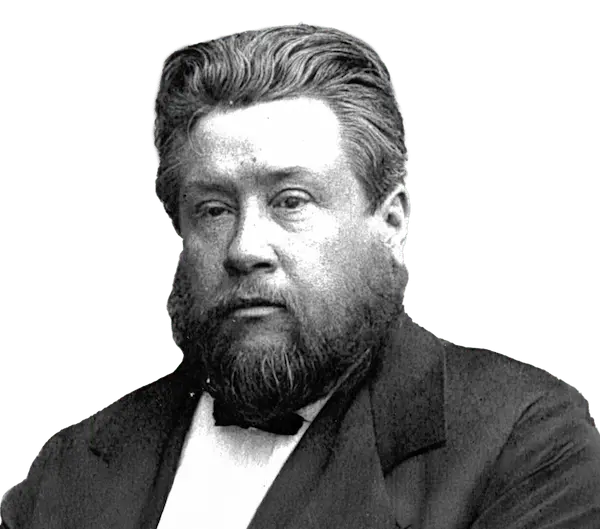
Charles Spurgeon Commentary
Matthew 26
Commentary Groups
This author has written multiple commentaries over their lifetime on this chapter. We have grouped their commentaries for easier reading."And it came to pass, when Jesus had finished all these words, he said unto his disciples, Ye know that after two days the passover cometh, and the Son of man is delivered up to be crucified." — Matthew 26:1-2 (ASV)
Our Lord, having finished all these sayings about the destruction of Jerusalem, His own Second Advent and the great Day of Judgment, brought back the thoughts of His disciples to His own death. He had often foretold what the end of His life would be. He now states definitely when it would be, You know that after two days is the feast of the passover.
In a sense that they probably did not fully comprehend, the passover, the one great passover, was about to be observed. After two days, the Paschal Lamb of God, Christ our passover, would be slain.
His betrayal was so certain and so near that it might be spoken of as already accomplished, the Son of man is betrayed to be crucified. The time for Christ to be delivered up into the hands of sinners had almost arrived, and once His enemies had Him in their power, they would never rest until He was crucified.
"Then were gathered together the chief priests, and the elders of the people, unto the court of the high priest, who was called Caiaphas; and they took counsel together that they might take Jesus by subtlety, and kill him. But they said, Not during the feast, lest a tumult arise among people." — Matthew 26:3-5 (ASV)
While Jesus was prophesying, His enemies were plotting. This fulfilled Psalm 2:2: “The rulers take counsel together against the Lord, and against his anointed.”
Their aim was to kill Him, and they consulted on how they might take Jesus by subtlety. They decided not to arrest Him “during the feast” (Revised Version), yet the evil deed was to be postponed, not from any religious regard for the Passover, but “lest there be an uproar among the people.”
Their plan was contrary to Christ’s prophecy, but the event proved that He was right and they were wrong, for He was crucified at the time He foretold.
"Now when Jesus was in Bethany, in the house of Simon the leper, there came unto him a woman having an alabaster cruse of exceeding precious ointment, and she poured it upon his head, as he sat at meat." — Matthew 26:6-7 (ASV)
We do not know who Simon the leper was, nor whether this woman was Mary, the sister of Lazarus, though I believe she was the one who came to Jesus, having an alabaster box of very precious ointment, and poured it on his head, as he reclined at the table. The beauty of this woman’s act consisted in this: that it was all for Christ. All who were in the house could perceive and enjoy the perfume of the precious ointment, but the anointing was for Jesus only.
"But when the disciples saw it, they had indignation, saying, To what purpose is this waste? For this [ointment] might have been sold for much, and given to the poor." — Matthew 26:8-9 (ASV)
When you do the best you can do, from the purest motives, and your Lord accepts your service, do not expect that your fellow believers will approve all your actions. If you do, you will be greatly disappointed. There was never a more beautiful proof of love to Christ than this anointing at Bethany, yet the disciples found fault with it; they had indignation, saying, “To what purpose is this waste? For this ointment might have been sold for much, and given to the poor.” According to John’s account, it was Judas who asked, “Why was not this ointment sold for three hundred pence, and given to the poor?” The same evangelist gives the reason for the traitor’s question: “This he said, not that he cared for the poor; but because he was a thief, and had the bag, and bare what was put therein.”
The complaint having been started by Judas, others of the disciples joined in it. If this devoted and enthusiastic woman had waited for the advice of these prudent people, she would neither have sold the ointment nor poured it out. She did well to take counsel with her own loving heart and then to pour the precious nard upon that dear head which was so soon to be crowned with thorns. She thus showed that there was, at least, one heart in the world that thought nothing was too good for her Lord! and that the best of the best ought to be given to Him. May she have many imitators in every age until Jesus comes again!
"Now when Jesus was in Bethany, in the house of Simon the leper, there came unto him a woman having an alabaster cruse of exceeding precious ointment, and she poured it upon his head, as he sat at meat." — Matthew 26:6-7 (ASV)
This is not the woman who anointed Christ's feet with ointment, but another of the holy women who ministered to him. I believe this was Mary, the sister of Lazarus, who came to Jesus, having an alabaster box of very precious ointment, and poured it on his head, as he sat at meat.
Jump to: