
Charles Spurgeon Commentary Matthew 27
Charles Spurgeon Commentary
Matthew 27
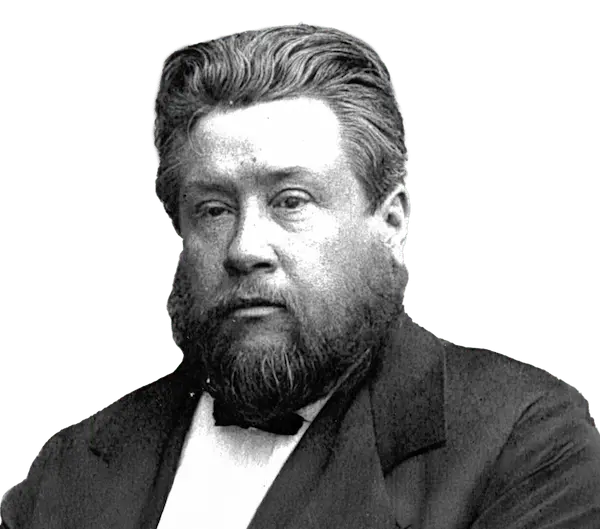
Charles Spurgeon Commentary
Matthew 27
"Now when morning was come, all the chief priests and the elders of the people took counsel against Jesus to put him to death:" — Matthew 27:1 (ASV)
They were so full of enmity against Jesus that they were eager to seize the first opportunity to take counsel to put him to death. They had spent the latter part of the night and the earliest moments of the morning, in examining, condemning, and abusing their illustrious prisoner. Jesus had foretold that He would be delivered to the Gentiles, so the next act in the terrible tragedy was His appearance before the Roman governor.
"and they bound him, and led him away, and delivered him up to Pilate the governor." — Matthew 27:2 (ASV)
Those who had arrested Jesus had bound Him before they took him to Annas (John 18:12–13). Annas sent him bound to Caiaphas (John 18:24). Now the Sanhedrin officially bound him, and delivered him to Pontius Pilate the governor. As Isaac was bound before he was laid upon the altar, so was the great Anti-type bound before He was brought as a lamb to the slaughter and delivered up to the Roman governor.
"Then Judas, who betrayed him, when he saw that he was condemned, repented himself, and brought back the thirty pieces of silver to the chief priests and elders, saying, I have sinned in that I betrayed innocent blood. But they said, What is that to us? see thou [to it]." — Matthew 27:3-4 (ASV)
Perhaps Judas expected that Jesus would miraculously deliver Himself from His captors. When Judas saw that Jesus was condemned, remorse seized him, and he carried back to his fellow criminals the reward of his infamy.
There was one good result of his despairing confession: I have sinned in that I have betrayed the innocent blood. Judas had been with our Lord in public and in private. And if he could have found a flaw in Christ’s character, this would have been the time to mention it. But even the traitor, in his dying speech, declared that Jesus was innocent.
The chief priests and elders had no more pity for Judas than they had for Jesus. No remorse troubled them; they had secured the Savior and cared nothing for any of the consequences of their action. As for the traitor, he had made his bargain and he must abide by it.
"And he cast down the pieces of silver into the sanctuary, and departed; and he went away and hanged himself." — Matthew 27:5 (ASV)
Those terrible words, and went and hanged himself (Matthew 27:5), reveal the real character of the repentance of Judas. His was a repentance that needed to be repented of, not that godly sorrow which worketh repentance unto salvation (2 Corinthians 7:10). In the history of the Church of Christ, there have been a few instances of remorse like that of Judas, driving men to despair, if not to actual suicide. May God in mercy preserve us from any more repetitions of such an awful experience!
"And the chief priests took the pieces of silver, and said, It is not lawful to put them into the treasury, since it is the price of blood. And they took counsel, and bought with them the potter`s field, to bury strangers in. Wherefore that field was called, the field of blood, unto this day." — Matthew 27:6-8 (ASV)
Whether Judas bought the field in which he committed suicide (Acts 1:18) or whether the chief priests, hearing how he meant to spend the pieces of silver, carried out his intention, makes no real difference in the result. The field of blood became the perpetual memorial of the infamy of Judas. When he sold his Lord, he little thought what would be done with the money received as the price of the betrayal. In the fullest sense possible, he was guilty of the blood of the Lord; that blood was upon him, not to seal his pardon, but to confirm his condemnation.
Jump to: