
Charles Spurgeon Commentary Matthew 27:46
Charles Spurgeon Commentary
Matthew 27:46
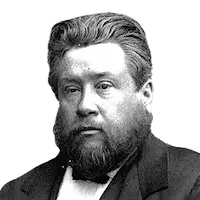
Charles Spurgeon Commentary
Matthew 27:46
SCRIPTURE
"And about the ninth hour Jesus cried with a loud voice, saying, Eli, Eli, lama sabachthani? that is, My God, my God, why hast thou forsaken me?" — Matthew 27:46 (ASV)
So that the sacrifice of Christ might be complete, it pleased the Father to forsake His beloved Son. Sin was laid on Christ, so God must turn away His face from the Sin-Bearer. To be deserted by His God was the climax of Christ’s grief, the quintessence of His sorrow.
Here we see the distinction between the martyrs and their Lord. In their dying agonies, they have been divinely sustained; but Jesus, suffering as the Substitute for sinners, was forsaken by God.
Those saints who have known what it is to have their Father’s face hidden from them even for a short time can scarcely imagine the suffering that wrung from our Savior the agonizing cry, My God, my God, why hast thou forsaken me?
And about the ninth hour Jesus cried with a loud voice, saying, Eli, Eli, lama sabachthani? that is to say, My God, my God, why hast thou forsaken me?
In order that the sacrifice of Christ might be complete, it pleased the Father to forsake His well-beloved Son. Sin was laid on Christ, so God had to turn away His face from the Sin-bearer. To be deserted by His God was the climax of Christ's grief, the quintessence of His sorrow.
See here the distinction between the martyrs and their Lord; in their dying agonies they have been divinely sustained, but Jesus, suffering as the Substitute for sinners, was forsaken by God. The saints who have known what it is to have their Father's face hidden from them, even for a brief time, can scarcely imagine the suffering that wrung from our Saviour the agonizing cry, My God, my God, why hast thou forsaken me?