
Charles Spurgeon Commentary Matthew 28
Charles Spurgeon Commentary
Matthew 28
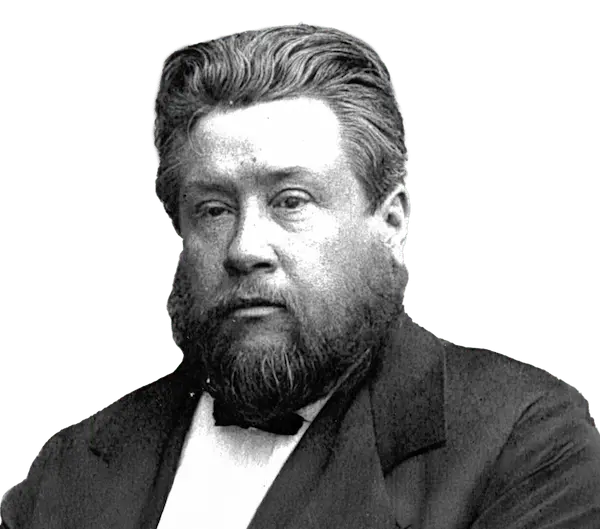
Charles Spurgeon Commentary
Matthew 28
Commentary Groups
This author has written multiple commentaries over their lifetime on this chapter. We have grouped their commentaries for easier reading."Now late on the sabbath day, as it began to dawn toward the first [day] of the week, came Mary Magdalene and the other Mary to see the sepulchre." — Matthew 28:1 (ASV)
In the end of the sabbath, as it began to dawn toward the first day of the week, came Mary Magdalene and the other Mary to see the sepulcher.
While the Jewish Sabbath lasted, they paid to it due respect.
They did not even go to the sepulcher to perform the kindly service of embalming; but when the old Sabbath was dying away, and the new and better Sabbath began to dawn, these holy women found their way back to their Lord's tomb. Woman must be first at the sepulcher as she was last at the cross. We may well forget that she was first in the transgression; the honour which Christ put upon her took away that shame. Who but Mary Magdalene should be the first at the tomb?
Out of her Christ had cast seven devils, and now she acts as if he had sent seven angels into her. She had received so much grace that she was full of love for her Lord. In the end of the sabbath, as it began to dawn toward the first day of the week, came Mary Magdalene and the other Mary to see the sepulcher. You can just see them in the gray light of the dawn; it is not clear enough to make out their form and shape; but in the twilight, they are coming into the garden and finding their way to the new sepulcher.
"And behold, there was a great earthquake; for an angel of the Lord descended from heaven, and came and rolled away the stone, and sat upon it." — Matthew 28:2 (ASV)
And, behold, there was a great earthquake:
The women must have wondered as they felt that tremor beneath their feet.
If you have ever felt an earthquake, you will never forget it; and this was a great one, not one of an ordinary kind: "a great earthquake."
Death was being upheaved, and all the bars of the sepulcher were beginning to burst.
When the King awoke from the sleep of death, he shook the world. The bed-chamber in which he rested for a little while trembled as the heavenly Hero arose from his couch: Behold, there was a great earthquake.
Nor was the King unattended in his rising,–
For the angel of the Lord–
It was not merely one of the angelic host, but some mighty presence-angel: "the angel of the Lord"–
Descended from heaven, and came and rolled back the stone from the door, and sat upon it.
Jesus was put in the prison of the tomb as a hostage for his people. Therefore, he must not break out by himself, but the angelic sheriff's officer must bring the warrant for his deliverance and set the captive at liberty. He was imprisoned because of human debt; but the debt is paid, so he must go free.
Like a flash of fire, the angel descends from the right hand of God. He stands at the mouth of the tomb. He touches the great stone—sealed as it was and guarded by the soldiers—and it rolls back. And when he has rolled back the stone from the door, he sits upon it, as if to defy earth and hell ever to roll it back again.
That great stone seems to represent the sin of all Christ's people, which shut them up in prison; it can never be laid again over the mouth of the tomb of any child of God. Christ has risen, and all his saints must rise, too. The angel rolled back the stone from the door, and sat upon it. I think I see there one of the grandest sights that anyone ever saw, for one greater than an earthly king is sitting on something better than a throne.
"Now late on the sabbath day, as it began to dawn toward the first [day] of the week, came Mary Magdalene and the other Mary to see the sepulchre. And behold, there was a great earthquake; for an angel of the Lord descended from heaven, and came and rolled away the stone, and sat upon it." — Matthew 28:1-2 (ASV)
In the end of the Sabbath, as it began to dawn toward the first day of the week, came Mary Magdalene and the other Mary to see the sepulcher. And, behold, there was a great earthquake: for the angel of the Lord descended from heaven, and came and rolled back the stone from the door, and sat upon it.
See what concern angels have about our Lord. Are they here tonight? Do they make a habit of coming where the saints meet together? I think they do. We have intimations in Scripture that that is the case. Let us behave ourselves properly tonight because of the angels; and as they worship and count it their highest honour to serve the Son of Man, let us also worship Jesus, and adore him.
What a picture this scene would make!
"Now late on the sabbath day, as it began to dawn toward the first [day] of the week, came Mary Magdalene and the other Mary to see the sepulchre." — Matthew 28:1 (ASV)
While the Jewish Sabbath lasted, they paid to it due respect. They did not even go to the sepulcher to perform the loving service of embalming, but when the old Sabbath was dying away and the new and better Sabbath began to dawn, these holy women found their way back to their Lord’s tomb.
Woman must be first at the sepulcher, as she was last at the cross. We may well forget that she was first in the transgression; the honor Christ bestowed upon her took away that shame.
Who but Mary Magdalene should be the first at the tomb? Out of her Christ had cast seven devils, and now she acts as if into her He had sent seven angels. She had received so much grace that she was full of love for her Lord.
"And behold, there was a great earthquake; for an angel of the Lord descended from heaven, and came and rolled away the stone, and sat upon it." — Matthew 28:2 (ASV)
Death was being upheaved, and all the bars of the sepulcher were beginning to burst. When the King awoke from the sleep of death, He shook the world.
The bedchamber in which He rested for a little while trembled as the heavenly Hero arose from His couch; Behold, there was a great earthquake. Nor was the King unattended in His rising, for the angel of the Lord descended from heaven. It was not merely one of the angelic host but some mighty presence-angel, “the angel of the Lord,” who came to minister to Him on that resurrection morning.
Jesus was put in the prison of the tomb as a hostage for His people. Therefore, He must not break out by Himself; rather, the angelic sheriff’s officer must bring the warrant for His deliverance and set the captive at liberty.
When the angel had rolled back the stone from the door, he sat upon it, as if defying earth and hell to ever roll it back again.
That great stone seems to represent the sin of all Christ’s people, which shut them up in prison. It can never be laid again over the mouth of the sepulcher of any child of God. Christ has risen, and all His saints must rise too.
Jump to: