
Charles Spurgeon Commentary Matthew 8:18
Charles Spurgeon Commentary
Matthew 8:18
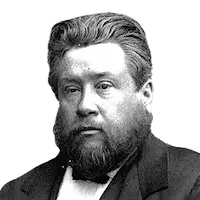
Charles Spurgeon Commentary
Matthew 8:18
SCRIPTURE
"Now when Jesus saw great multitudes about him, he gave commandments to depart unto the other side." — Matthew 8:18 (ASV)
He ran away from popularity. Having healed all that were sick, the royal Physician sought to begin practice on fresh ground. He saw the crowds becoming dangerous and perhaps too enthusiastic, and so He took ship for the further shore to be away from their rash acts. Too often we court the notoriety which our Lord avoided. Is it not because we are swayed by inferior motives, which had no power over Him?
We ought not to keep to the side where we get flattery, but we should “depart unto the other side” to begin fresh work. Moreover, “the other side” may be the side which needs us most, and it is right even to leave a multitude who have had their share of privilege to go to a smaller company who have had no time of gracious opportunity.
Lord, do You command me “to depart unto the other side”? Go with me and I start at once.
Now when Jesus saw great multitudes about him, he gave commandment to depart unto the other side.
This again looks like a non sequitur. You and I would have said, "If there are great multitudes about us, let us speak to them while we are here."
But then, again, you see, we may not always judge by the apparent usefulness of the present moment; we have to consider the rest of our career. Our Savior knew that the governors of the country were very jealous, and that if people came together in large numbers, they might suspect insurrections and revolutions, and they would be there with their troops, and many innocent people might be slain, and, speaking after the manner of men, his work of usefulness might be quickly brought to an end.
Therefore, when he saw the great multitudes, he judged it wise to go elsewhere. Besides, he was no lover of popularity; he looked upon it as a shadow which necessarily followed him, rather than as a thing to be sought after.
This he showed in the intense humility of his spirit, and in that love of solitude which was so natural to one who walked in continual fellowship with God. Sometimes we will really do more by apparently, for the moment, doing less.