
Charles Spurgeon Commentary Nehemiah 1:4
Charles Spurgeon Commentary
Nehemiah 1:4
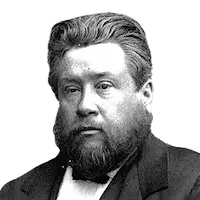
Charles Spurgeon Commentary
Nehemiah 1:4
SCRIPTURE
"And it came to pass, when I heard these words, that I sat down and wept, and mourned certain days; and I fasted and prayed before the God of heaven," — Nehemiah 1:4 (ASV)
And it came to pass, when I heard these words, that I sat down and wept, and mourned certain days, and fasted, and prayed before the God of heaven,
Was it his concern? Was it any more his concern than that of other men? Yes, he felt it to be his; and the tender heart which he had towards the people of God made him feel it to be especially his.
If nobody else did anything, he must.
And, oh! dear brothers and sisters in Christ, whenever you see the cause of God in a sad state, lay it to heart: weep, lament, and pray: feel that you have an interest in it.
Christ is your Saviour. Of the church you are a part. These blessed interests of sovereign mercy belong to you.
Take them to yourself and say, "By God's help, I will lay myself out for the progress of his cause. I sat down and wept, and mourned certain days, and fasted and prayed before the God of heaven,"
And it came to pass, when I heard these words, that I sat down and wept, and mourned certain days, and fasted, and prayed before the God of heaven,
This good man was greatly affected by the sad news which he heard. He was not indifferent to the condition of his countrymen; he did not say, "We are getting on very well here; I am a Jew, and I am in the palace of Artaxerxes, but I cannot do anything to help my brothers. You, who are away there at Jerusalem, must do the best you can." No; Nehemiah said no such thing; he looked upon himself as being part and parcel of the whole Jewish race, just as every true believer should regard all Christians as being closely akin to himself.
We are not twenty churches, brothers, nor two hundred; our Lord Jesus Christ is the head, and we are members of that one body which is his Church. We ought to sympathize with all who are in Christ; and, especially, if the cause of God is not prospering in any place, we should do as Nehemiah did: he wept, and mourned, and fasted, and prayed before the God of heaven. He tells us what he said in his prayer; these are, as it were, the shorthand notes of his supplication.