
Charles Spurgeon Commentary Nehemiah 1:5-6
Charles Spurgeon Commentary
Nehemiah 1:5-6
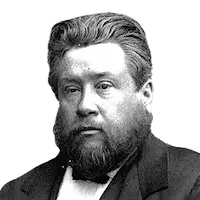
Charles Spurgeon Commentary
Nehemiah 1:5-6
SCRIPTURE
"and said, I beseech thee, O Jehovah, the God of heaven, the great and terrible God, that keepeth covenant and lovingkindness with them that love him and keep his commandments: Let thine ear now be attentive, and thine eyes open, that thou mayest hearken unto the prayer of thy servant, which I pray before thee at this time, day and night, for the children of Israel thy servants while I confess the sins of the children of Israel, which we have sinned against thee. Yea, I and my father`s house have sinned:" — Nehemiah 1:5-6 (ASV)
And said, I implore you, O LORD God of heaven, the great and terrible God, who keeps covenant and mercy for those who love him and observe his commandments: Let your ear now be attentive, and your eyes open, that you may hear the prayer of your servant, which I pray before you now, day and night, for the children of Israel your servants, and confess the sins of the children of Israel, which we have sinned against you: both I and my father's house have sinned.
This is quite a model prayer. How earnest it is, and how truthful!
Nehemiah recognizes the terrible side of God's character as well as His mercy. He evidently had right views of God. Some people try to explain away all the passages of Scripture which represent God as a terrible God; whether they know it or not, they will find this course of action to be a great source of weakness to them in dealing with the ungodly.
Nehemiah calls Jehovah the great and terrible God; but he adds, who keeps covenant and mercy for those who love him. He tells us that he prayed before the Lord day and night. Of course, he had to attend to his daily duties, so he could not always be on his knees; but his heart was praying even while he was engaged with other matters. As often as he could, he retired to his room so that he might cry out to God.
Please observe that he makes a confession of the sins of the children of Israel. It is our duty as Christians, as it were, to take the great burden of the sins of the nation upon ourselves and to make confession of them before God.
If the guilty ones will not repent, we must repent for them; if they will not confess their sins, we must confess their sins as though we stood in their place. Nehemiah very pathetically says, and confess the sins of the children of Israel, which we have sinned against you: and then coming still more closely home, he adds, both I and my father's house have sinned.
And said, I beseech thee, O LORD God of heaven, the great and terrible God, that keepeth covenant and mercy for them that love him and observe his commandments: Let thine ear now be attentive, and thine eyes open, that thou mayest hear the prayer of thy servant, which I pray before thee now, day and night, for the children of Israel thy servants, and confess the sins of the children of Israel, which we have sinned against thee: both I and my father's house have sinned.
He seems to act like a priest for God, taking the sin of the people upon himself, and confessing it. If they were hard-hearted, and would not confess, he would confess, and pour out his complaint before God.