
Charles Spurgeon Commentary Numbers 19
Charles Spurgeon Commentary
Numbers 19
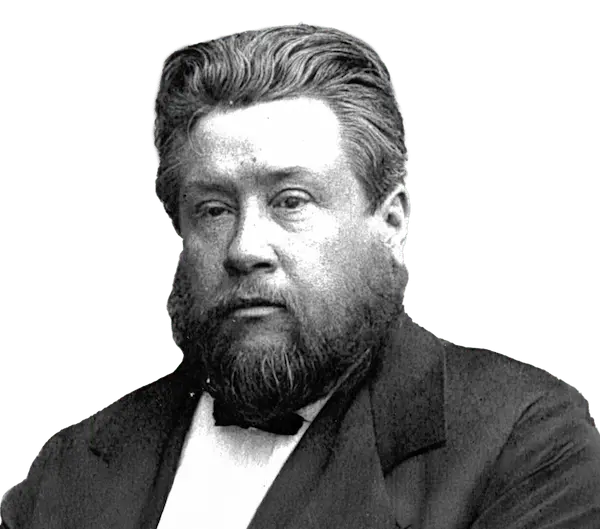
Charles Spurgeon Commentary
Numbers 19
"And Jehovah spake unto Moses and unto Aaron, saying," — Numbers 19:1 (ASV)
This ordinance was not given to Moses on Mount Sinai, but in the wilderness of Paran, after the people had broken their covenant with God and were condemned to die. You know Psalm 90—that mournful dirge we read at funerals—which is titled A Prayer of Moses the man of God. He might well write that Psalm, for he lived among a generation of people who were all doomed to die within a short time and to die in the wilderness.
This ordinance was especially appointed to address the circumstances of those who were rendered unclean by the frequent deaths that occurred. A simple and easy way of purification was to be provided for them; and the teaching of this chapter to us is that, since we dwell in a sinful world, there needs to be some simple and ready method of cleansing us, that we may be able to draw near to God.
"This is the statute of the law which Jehovah hath commanded, saying, Speak unto the children of Israel, that they bring thee a red heifer without spot, wherein is no blemish, [and] upon which never came yoke. And ye shall give her unto Eleazar the priest, and he shall bring her forth without the camp, and one shall slay her before his face:" — Numbers 19:2-3 (ASV)
This was not a usual sacrifice, for the beasts offered were as a rule males; but this was to be a special sacrifice. It was not to be killed by the priest, as other sacrificial offerings were; but the Lord said, "One shall slay her before his face."
"and Eleazar the priest shall take of her blood with his finger, and sprinkle her blood toward the front of the tent of meeting seven times." — Numbers 19:4 (ASV)
This makes it a sacrifice; otherwise, it scarcely deserves the name.
"And one shall burn the heifer in his sight; her skin, and her flesh, and her blood, with her dung, shall he burn: and the priest shall take cedar-wood, and hyssop, and scarlet, and cast it into the midst of the burning of the heifer." — Numbers 19:5-6 (ASV)
All was to be burnt, and then the ashes, the essence and product of it, were to be preserved to make the water of purification needed to remove those constant defilements which fell upon the people of the camp.
So, the merits of our Lord Jesus Christ, which are the very essence of him, are perpetually preserved for the removal of our daily pollution. There was also the essence of cedar wood; that is, the emblem of fragrant immortality, for cedar was an unrotting wood. And hyssop, and scarlet. There must be the humble hyssop used, yet there must be some degree of royalty about the sacrifice, as the scarlet colour signified; and all this is mixed with the blood and the flesh and the skin of the creature, to make the ashes of purification.
"Then the priest shall wash his clothes, and he shall bathe his flesh in water, and afterward he shall come into the camp, and the priest shall be unclean until the even." — Numbers 19:7 (ASV)
What a strange sacrifice this was, for even when it was offered, it seemed to make unclean all those involved with it!
Jump to: