
Charles Spurgeon Commentary Romans 5:8
Charles Spurgeon Commentary
Romans 5:8
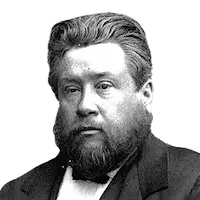
Charles Spurgeon Commentary
Romans 5:8
SCRIPTURE
"But God commendeth his own love toward us, in that, while we were yet sinners, Christ died for us." — Romans 5:8 (ASV)
But God commendeth his love toward us, in that, while we were yet sinners, Christ died for us.
While we were neither righteous nor good, while we were yet sinners, Christ did the most he ever could, or ever can do for us; he died for us. This is the best gift for the worst of men, and that best gift given to them when they are at their worst state: While we were yet sinners, Christ died for us.
But God commendeth his love toward us, in that, while we were yet sinners, Christ died for us.
When we were not righteous, when we certainly were not good, when the whole description of our character could be summed up in that one word "sinners" – rebels offending against God: while we were yet sinners, Christ died for us.
But God commendeth his love toward us, in that, while we were yet sinners, Christ died for us.
He did the utmost for us when we were the least deserving of it.
Oh, what a love this is! Let it be shed abroad in our poor, stony hearts, and commended by us to others.
But God commendeth his love toward us, in that, while we were yet sinners, Christ died for us.
Certainly we were not "good" men, we were not even "just" men, but we are included in this black description "sinners"; and while we were yet sinners, Christ died for us. He died for us as sinners, he did not come to save saints, but to save sinners; and it was for sinners that he died.
But God commendeth his love toward us, in that, while we were yet sinners, Christ died for us.
When we were not even just, much less good, Christ died for us.
But God commendeth his love toward us, in that, while we were yet sinners, Christ died for us.
We were neither righteous nor even good, yet Christ died for us.
"Oh!" said a little boy once to his mother, "I do not think Christ's dying for men is so extraordinary; I think I would be willing to die if I could save a hundred men by dying." But his mother said, "Suppose it was a hundred mosquitoes—would you die for them?" "Oh, no!" he said, "I would let the whole lot of them die." Well, we were much less, in comparison with Christ, than mosquitoes are in relation to men, yet he died for us, good-for-nothing creatures that we are.
It is well said, "God shows part of his love to us in many different ways, but he shows the whole of his love in giving Christ to die for us." Here you see his heart laid bare, the very heart of God laid open for the inspection of every believing soul. To die for saints would be great love; but to die for sinners, while they are still sinners, and regarding them as sinners—this is love with emphasis, the very highest commendation that even divine love can have.
But God commendeth his love toward us, in that, while we were yet sinners, Christ died for us.
We were without any attraction, without any righteousness, without any goodness, yet Christ loved us. Out of the graciousness of his own heart he loved us, according to that text, I will love them freely.