
Charles Spurgeon Commentary Romans 7:10-13
Charles Spurgeon Commentary
Romans 7:10-13
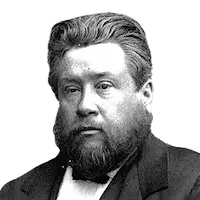
Charles Spurgeon Commentary
Romans 7:10-13
SCRIPTURE
"and the commandment, which [was] unto life, this I found [to be] unto death: for sin, finding occasion, through the commandment beguiled me, and through it slew me. So that the law is holy, and the commandment holy, and righteous, and good. Did then that which is good become death unto me? God forbid. But sin, that it might be shown to be sin, by working death to me through that which is good; --that through the commandment sin might become exceeding sinful." — Romans 7:10-13 (ASV)
And the commandment, which was ordained to life, I found to be unto death. For sin, taking occasion by the commandment, deceived me, and by it slew me. Wherefore the law is holy, and the commandment holy, and just, and good. Was then that which is good made death unto me? God forbid.
"If I sinned the more when God's commandment was revealed to me; and if, by the light of the law, sin was made more apparent to me and became so exceedingly sinful that it drove me to despair and so to commit still worse sin; the fault was not in the law, but in sin, and in me, the sinner."
And the commandment, which was ordained to life, I found to be unto death. For sin, taking occasion by the commandment, deceived me, and by it slew me. Wherefore the law is holy, and the commandment holy, and just, and good. Was then that which is good made death unto me? God forbid. But sin, that it might appear sin, working death in me by that which is good: that sin by the commandment might become exceeding sinful.
There was sin in his nature, but he did not know it. But when the commandment came, then that evil nature said, "I won't keep that commandment," and it took occasion at once to show itself by breaking that commandment. It was something like a medicine which many a wise physician has given to his patient. There is a deadly disease inside the man, and he gives him a medicine that throws it out. You see it on the skin. You feel the pain of it. It would have been his death anyway.
It can only be his death now; but now it is a part of the process of the cure to bring the disease where it can be seen. And so the law comes into a man's heart, and because of the rebellion of his nature, he kicks against the law and sins. It does not make him sinful. It only shows that he was sinful, for a perfect law would not make a perfect man sin. It would lead and guide him in the way of holiness. But a perfect law coming into contact with an imperfect nature soon creates rebellion and sin.
It is an illustration that is not perfect, but still it is of some use. You have seen quicklime, and you throw water on it. The water is of a cooling nature. There is nothing in the water but that which would quench fire, and yet when it is thrown upon the lime, the consequence is a burning heat.
So is it with the law cast upon man's nature. It seems to create sin. Not that the law does it of itself, but, coming into contact with the corrupt principles of our nature, sin becomes the product of it. It is the only product. You may preach the law of God until everyone becomes worse than they were before.
You may read the Ten Commandments until men learn what to do in order to provoke God. The law does not create holiness. It never can.