
John Gill Commentary 2 Kings 23:29
John Gill Commentary
2 Kings 23:29
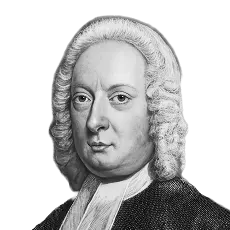
John Gill Commentary
2 Kings 23:29
SCRIPTURE
"In his days Pharaoh-necoh king of Egypt went up against the king of Assyria to the river Euphrates: and king Josiah went against him; and [Pharaoh-necoh] slew him at Megiddo, when he had seen him." — 2 Kings 23:29 (ASV)
In his days Pharaohnechoh king of Egypt
Who is called in the Targum Pharaoh the lame, because he was lame in his feet, perhaps gouty; Herodotus F24 also calls him Necos the son of Psammiticus; now it was in the last days of Josiah this king reigned in Egypt, or however that the following event was:
[that] he went up against the king of Assyria to the river Euphrates ;
to Carchemish, a city situated upon it; see (2 Chronicles 35:26) (Jeremiah 46:2) , the king he went against was the king of Babylon, who had conquered the Assyrian monarchy, and therefore called king of it; some take him to be Nabopolassar; according to Marsham F25 , he was Chyniladanus;
and King Josiah went against him ;
to stop him, that he might not pass through his country, and attack the king of Babylon, whose ally, perhaps, Josiah was; or, however, thought himself obliged to him by the privileges, power, and authority he allowed him to exercise in the land of Israel:
and he slew him at Megiddo, when he had seen him ;
as soon as they came face to face, and engaged in battle, see (2 Kings 14:8 2 Kings 14:11) that is Pharaoh slew Josiah at the first onset. Megiddo was a city in the tribe of Manasseh, (Joshua 17:11) . Herodotus F26 calls it Magdolus, which seems to be a city on the borders of Egypt, the same with Migdol, (Jeremiah 44:1) where he says Pharoahnechoh conquered the Syrians; in Josephus F1 it is called Mendes very wrongly. Josiah seems to have engaged in this action without consulting the Lord and his prophets.
FOOTNOTES:
- F24: Euterpe, sive, l. 2. c. 158.
- F25: Chronic. Secul. 18. p. 568.
- F26: Ibid. c. 159.
- F1: Antiqu. l. 10. c. 5. sect. 1.