
John Gill Commentary Psalms 66:12
John Gill Commentary
Psalms 66:12
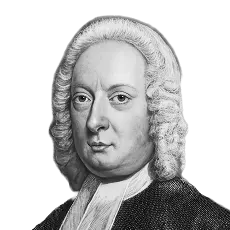
John Gill Commentary
Psalms 66:12
SCRIPTURE
"Thou didst cause men to ride over our heads; We went through fire and through water; But thou broughtest us out into a wealthy place." — Psalms 66:12 (ASV)
Thou hast caused men to ride over our heads
Jarchi and Kimchi interpret it of the kings and nations of the world ruling over Israel; and may very well design the Heathen powers and antichristian states tyrannizing over Christian people. The word in the original text is singular, "a man" F3 , a frail mortal man; and may be understood of the man of sin and son of perdition; who rides upon the heads of men, exalts himself above all that is called God, and has exercised dominion over the saints in a most lawless and tyrannical manner.
Vitringa, on (Isaiah 43:2) interprets it of Antiochus Epiphanes, who was a type of antichrist, and supposes the following clause to refer to the persecution of the church in his time. The Targum renders it, "a lord of rebuke"; that is, either one worthy of rebuke, as antichrist is; or one that gives rebukes, delivers out anathemas and excommunications, as he does: though some translate the words of the Targum, "lords of usury", or "usurers"; a title not unfit for the creatures of antichrist;
we went through fire and through water ;
through afflictions, compared to fire and water; through fiery trials and overwhelming providences, though not destroyed by them, because the Lord was with them; see (Isaiah 43:2) ; therefore they are said to go through them, not to abide in them; nor to sink under them, and perish by them: they went cheerfully through them for Christ's sake, even the greatest hardships and difficulties, which this phrase may be expressive of. It may have a particular reference to the sufferings of the saints in Gospel times; to the burning of the martyrs with fire and faggot, who, like Elijah, went up to heaven in a fiery chariot; and to the flood of waters cast out after the woman, the church, by the dragon; see (Revelation 1:15) (Revelation 12:15Revelation 12:16) ;
but thou broughtest us out into a wealthy [place] ;
the Targum is, into largeness; or into a large place; see (Psalms 18:19) (118:5) . This may intend either the state of the church upon the Reformation, or rather as it will be in the latter day glory; when there will be a large spread of the Gospel, and of the interest of Christ, everywhere; when the church will be enlarged with converts, and the members of it with the gifts and graces of the Spirit; and which will be a state of great liberty and freedom in the worship of God, both inward and outward.
The Septuagint version renders it, "into refreshment": so the Tigurine version, and Piscator; as those times will be times of refreshing from the presence of the Lord, which will be everywhere among his people, in his word and ordinances, and to a great degree; see (Acts 3:19) . The Arabic version, "unto rest"; from adversity, from persecution; for, after this state takes place, there will be no more persecution; no more fines, imprisonment, racks, and torturing deaths, for the sake of Christ and his Gospel.
The word used signifies a well watered place F4 or land; such as was the land of Canaan, (Deuteronomy 8:7–9) ; and such will be the state of the church in the latter day: the Spirit will be poured down like floods of water upon the dry ground; the doctrines of the Gospel will drop as the rain, and as showers upon the grass: the ordinances of it will be as green pastures beside the still waters; and every believer will be as a watered garden, whose springs fail not; it will be a time of great plenty and prosperity in spiritual things.
Ainsworth renders it, "to an abundant place"; so Gejerus: a place abounding with all good things: a "wealthy" one, as we translate it. And even in a literal sense this will be the wealthy time of the church; when kings shall come into it, and bring their riches and honour there, and use them for the good of it, (Isaiah 49:23) (Isaiah 60:3Isaiah 60:11Isaiah 60:16Isaiah 60:17) ; and then also will the saints be enriched with every gift, and be rich in grace and in all good works.
FOOTNOTES:
- F3: (vwna) "hominem", Pagninus, Montanus.
- F4: (hywrl) "ad irrignam", Pagninus, Montanus.