
John Gill Commentary Psalms 76:11
John Gill Commentary
Psalms 76:11
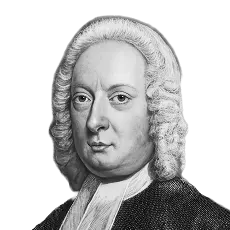
John Gill Commentary
Psalms 76:11
SCRIPTURE
"Vow, and pay unto Jehovah your God: Let all that are round about him bring presents unto him that ought to be feared." — Psalms 76:11 (ASV)
Vow, and pay unto the Lord your God
Not monastic vows, which the Papists would infer from these and such like words; nor ceremonial ones, but spiritual sacrifices of praise and thanksgiving, such as men sometimes make in times of distress, or when delivered, (Psalms 66:13Psalms 66:14) (Jonah 1:16) and which when vowed ought to be paid, (Ecclesiastes 5:4Ecclesiastes 5:5) , not to creatures, angels, or saints, but to God, from whom the mercy desired must be expected, and from where/which it comes, (Psalms 50:14) , these words are an address to such who were delivered from wrath, either of God or man:
let all that be round about him ;
who surround the throne of his grace, gather together in his house to attend his word and ordinances, who are his servants, and constantly and faithfully adhere to him; among whom he grants his presence, they are near to him, and he to them. It is a periphrasis of the assembly of the saints; see (Psalms 89:7) . The Targum is, "all you that dwell round about his sanctuary;" the allusion is to the situation of the camp of Israel, and the tabernacle in the wilderness, (Numbers 2:1) compare with this (Revelation 4:4) ,
bring presents unto him that ought to be feared ,
or "to the fear" F6 , which is one of the names of God; see (Genesis 31:42) and who is and ought to be the object of the fear and reverence of men; the "presents", to be brought to him are the sacrifices of prayer and praise, yea, the whole persons, the souls and bodies, of men; see (Psalms 72:10) , compare with this (2 Chronicles 32:22 2 Chronicles 32:23) . The Targum is, "let them bring offerings into the house of the sanctuary of the terrible One;" of him that is to be feared, with a godly fear by good men, and to be dreaded by evil men, as follows.
FOOTNOTES:
- F6: (arwml) "ad verb terrori, timori", Vatsblus; "numini", De Dieu, "venerando et timendo huic numini", Michaelis; so Ainsworth.