
Matthew Henry Commentary 1 Corinthians 15:1-11
Matthew Henry Commentary
1 Corinthians 15:1-11
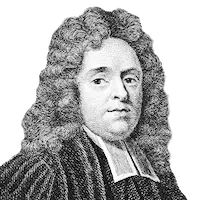
Matthew Henry Commentary
1 Corinthians 15:1-11
SCRIPTURE
"Now I make known unto you brethren, the gospel which I preached unto you, which also ye received, wherein also ye stand, by which also ye are saved, if ye hold fast the word which I preached unto you, except ye believed in vain. For I delivered unto you first of all that which also I received: that Christ died for our sins according to the scriptures; and that he was buried; and that he hath been raised on the third day according to the scriptures; and that he appeared to Cephas; then to the twelve; then he appeared to above five hundred brethren at once, of whom the greater part remain until now, but some are fallen asleep; then he appeared to James; then to all the apostles; and last of all, as to the [child] untimely born, he appeared to me also. For I am the least of the apostles, that am not meet to be called an apostle, because I persecuted the church of God. But by the grace of God I am what I am: and his grace which was bestowed upon me was not found vain; but I labored more abundantly than they all: yet not I, but the grace of God which was with me. Whether then [it be] I or they, so we preach, and so ye believed." — 1 Corinthians 15:1-11 (ASV)
The word resurrection usually points to our existence beyond the grave. Not a trace of the apostle's doctrine can be found in all the teaching of philosophers. The doctrine of Christ's death and resurrection is the foundation of Christianity. Remove this, and all our hopes for eternity sink at once.
And it is by holding firm to this truth that Christians stand in the day of trial and are kept faithful to God. We believe in vain unless we remain in the faith of the gospel. This truth is confirmed by Old Testament prophecies, and many saw Christ after He had risen. This apostle was highly favoured, but he always had a low opinion of himself and expressed it.
When sinners are, by Divine grace, turned into saints, God causes the remembrance of former sins to make them humble, diligent, and faithful. He ascribes to Divine grace all that was valuable in him. True believers, though not ignorant of what the Lord has done for, in, and by them, yet when they look at their whole conduct and their obligations, they are led to feel that they themselves are utterly worthless.
All true Christians believe that Jesus Christ—and Him crucified, and then risen from the dead—is the sun and substance of Christianity. All the apostles agreed in this testimony. By this faith they lived, and in this faith they died.