
Matthew Henry Commentary 1 Corinthians 4:7-13
Matthew Henry Commentary
1 Corinthians 4:7-13
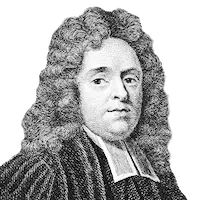
Matthew Henry Commentary
1 Corinthians 4:7-13
SCRIPTURE
"For who maketh thee to differ? and what hast thou that thou didst not receive? but if thou didst receive it, why dost thou glory as if thou hadst not received it? Already are ye filled, already ye are become rich, ye have come to reign without us: yea and I would that ye did reign, that we also might reign with you. For, I think, God hath set forth us the apostles last of all, as men doomed to death: for we are made a spectacle unto the world, both to angels and men. We are fools for Christ`s sake, but ye are wise in Christ; we are weak, but ye are strong; ye have glory, but we have dishonor. Even unto this present hour we both hunger, and thirst, and are naked, and are buffeted, and have no certain dwelling-place; and we toil, working with our own hands: being reviled, we bless; being persecuted, we endure; being defamed, we entreat: we are made as the filth of the world, the offscouring of all things, even until now." — 1 Corinthians 4:7-13 (ASV)
We have no reason to be proud; all that we have, are, or do that is good is due to the free and rich grace of God. A sinner snatched from destruction by sovereign grace alone would be very absurd and inconsistent if they were proud of the free gifts of God.
St. Paul sets forth his own circumstances. In 1 Corinthians 4:9, an allusion is made to the cruel spectacles in the Roman games, where men were forced to cut one another to pieces to entertain the people. In these games, the victor, though he might destroy his adversary, did not escape with his life but was only kept for another combat and was certain to be killed in the end.
The thought that many eyes are upon believers when they are struggling with difficulties or temptations should encourage constancy and patience. We are weak, but ye are strong. All Christians are not exposed to suffering in the same way.
Some suffer greater hardships than others. The apostle enters into the particulars of their sufferings. And how glorious the charity and devotion that carried them through all these hardships! They suffered in their persons and characters as the worst and vilest of men, as the very dirt of the world that was to be swept away; indeed, as the offscouring of all things, the dross of all things. And everyone who would be faithful in Christ Jesus must be prepared for poverty and contempt.
Whatever the disciples of Christ suffer from other people, they must follow the example and fulfill the will and precepts of their Lord. They must be content, with him and for him, to be despised and abused. It is much better to be rejected, despised, and mistreated, as St. Paul was, than to have the good opinion and favor of the world. Though cast off by the world as vile, we may yet be precious to God, gathered up by his own hand, and placed upon his throne.