
Matthew Henry Commentary 1 Corinthians 9
Matthew Henry Commentary
1 Corinthians 9
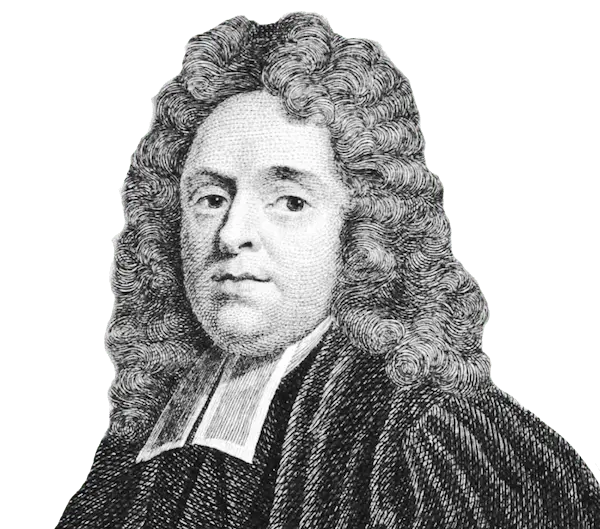
Matthew Henry Commentary
1 Corinthians 9
"Am I not free? Am I not an apostle? Have I not seen Jesus our Lord? Are not ye my work in the Lord? If to others I am not an apostle, yet at least I am to you; for the seal of mine apostleship are ye in the Lord. My defence to them that examine me is this. Have we no right to eat and to drink? Have we no right to lead about a wife that is a believer, even as the rest of the apostles, and the brethren of the Lord, and Cephas? Or I only and Barnabas, have we not a right to forbear working? What soldier ever serveth at his own charges? who planteth a vineyard, and eateth not the fruit thereof? Or who feedeth a flock, and eateth not of the milk of the flock? Do I speak these things after the manner of men? or saith not the law also the same? For it is written in the law of Moses, Thou shalt not muzzle the ox when he treadeth out the corn. Is it for the oxen that God careth, or saith he it assuredly for our sake? Yea, for our sake it was written: because he that ploweth ought to plow in hope, and he that thresheth, [to thresh] in hope of partaking. If we sowed unto you spiritual things, is it a great matter if we shall reap your carnal things? If others partake of [this] right over you, do not we yet more? Nevertheless we did not use this right; but we bear all things, that we may cause no hindrance to the gospel of Christ. Know ye not that they that minister about sacred things eat [of] the things of the temple, [and] they that wait upon the altar have their portion with the altar? Even so did the Lord ordain that they that proclaim the gospel should live of the gospel." — 1 Corinthians 9:1-14 (ASV)
It is not new for a minister to encounter unkindness in return for goodwill to a people, and for diligent and successful service among them. To the criticisms of some, the apostle answers by presenting himself as an example of self-denial for the good of others.
He had a right to marry, just like other apostles, and to claim what was needed for his wife, and for any children he might have, from the churches, without working with his own hands to obtain it. Those who seek to benefit our souls should have food provided for them. But he renounced his right, rather than hinder his success by claiming it.
It is the people's duty to maintain their minister. He may waive his right, as Paul did; but those who deny or withhold due support transgress a command of Christ.
"But I have used none of these things: and I write not these things that it may be so done in my case; for [it were] good for me rather to die, than that any man should make my glorifying void. For if I preach the gospel, I have nothing to glory of; for necessity is laid upon me; for woe is unto me, if I preach not the gospel. For if I do this of mine own will, I have a reward: but if not of mine own will, I have a stewardship intrusted to me. What then is my reward? That, when I preach the gospel, I may make the gospel without charge, so as not to use to the full my right in the gospel. For though I was free from all [men,] I brought myself under bondage to all, that I might gain the more. And to the Jews I became as a Jew, that I might gain Jews; to them that are under the law, as under the law, not being myself under the law, that I might gain them that are under the law; to them that are without law, as without law, not being without law to God, but under law to Christ, that I might gain them that are without law. To the weak I became weak, that I might gain the weak: I am become all things to all men, that I may by all means save some. And I do all things for the gospel`s sake, that I may be a joint partaker thereof." — 1 Corinthians 9:15-23 (ASV)
It is the glory of a minister to deny himself, so that he may serve Christ and save souls. But when a minister gives up his right for the sake of the gospel, he does more than his charge and office demands. By preaching the gospel, freely, the apostle showed that he acted from principles of zeal and love, and thus enjoyed much comfort and hope in his soul.
And though he regarded the ceremonial law as a yoke removed by Christ, he nevertheless submitted to it, so that he might influence the Jews, dispel their prejudices, persuade them to hear the gospel, and win them over to Christ. Though he would transgress no laws of Christ to please anyone, he would still accommodate himself to all people, where he could lawfully do so, to gain some. Doing good was the focus and endeavor of his life; and to achieve this goal, he did not insist on his privileges.
We must carefully watch against extremes, and against relying on anything other than trust in Christ alone. We must not allow errors or faults in such a way that they hurt others or disgrace the gospel.
"Know ye not that they that run in a race run all, but one receiveth the prize? Even so run; that ye may attain. And every man that striveth in the games exerciseth self-control in all things. Now they [do it] to receive a corruptible crown; but we an incorruptible. I therefore so run, as not uncertainly; so fight I, as not beating the air: but I buffet my body, and bring it into bondage: lest by any means, after that I have preached to others, I myself should be rejected." — 1 Corinthians 9:24-27 (ASV)
The apostle compares himself to the racers and combatants in the Isthmian games, which were well known to the Corinthians. But in the Christian race, all can run so as to obtain. Therefore, there is the greatest encouragement to persevere with all our strength in this course.
Those who ran in these games were kept to a spare diet. They accustomed themselves to hardships. They practiced the exercises. And those who pursue the interests of their souls must strenuously combat fleshly lusts. The body must not be allowed to rule.
The apostle urges this advice upon the Corinthians. He sets before himself and them the danger of yielding to fleshly desires, pampering the body, and its lusts and appetites.
Holy fear of himself was needed to keep an apostle faithful; how much more is it necessary for our preservation! Let us learn from this humility and caution, and to watch against the dangers that surround us while we are in the body.
Jump to: