
Matthew Henry Commentary 1 John 4
Matthew Henry Commentary
1 John 4
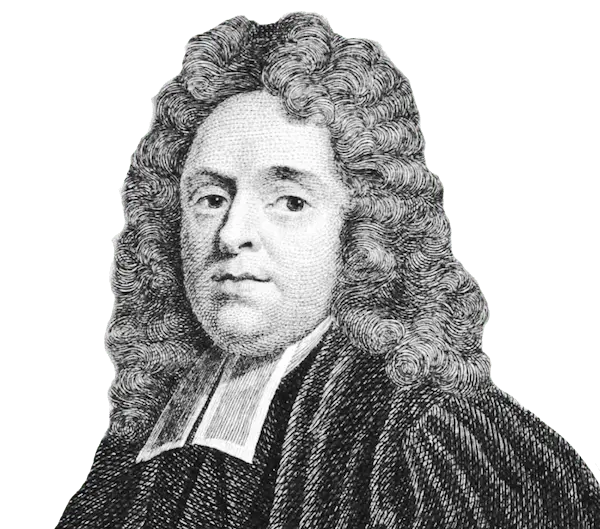
Matthew Henry Commentary
1 John 4
"Beloved, believe not every spirit, but prove the spirits, whether they are of God; because many false prophets are gone out into the world. Hereby know ye the Spirit of God: every spirit that confesseth that Jesus Christ is come in the flesh is of God: and every spirit that confesseth not Jesus is not of God: and this is the [spirit] of the antichrist, whereof ye have heard that it cometh; and now it is in the world already. Ye are of God, [my] little children, and have overcome them: because greater is he that is in you than he that is in the world. They are of the world: therefore speak they [as] of the world, and the world heareth them. We are of God: he that knoweth God heareth us; he who is not of God heareth us not. By this we know the spirit of truth, and the spirit of error." — 1 John 4:1-6 (ASV)
Christians who are well acquainted with the Scriptures may, in humble dependence on Divine teaching, discern those who set forth doctrines according to the apostles, and those who contradict them. The sum of revealed religion is in the doctrine concerning Christ, his person and office. The false teachers spoke of the world according to its maxims and tastes, so as not to offend carnal men.
The world approved them, they made rapid progress, and had many followers such as themselves; the world will love its own, and its own will love it. The true doctrine regarding the Savior's person, as leading men from the world to God, is a mark of the spirit of truth in opposition to the spirit of error. The more pure and holy any doctrine is, the more likely to be of God; nor can we by any other rules try the spirits whether they are of God or not.
And is it any wonder that people of a worldly spirit should cling to those who are like themselves, and suit their schemes and discourses to their corrupt taste?
"Beloved, let us love one another: for love is of God; and every one that loveth is begotten of God, and knoweth God. He that loveth not knoweth not God; for God is love. Herein was the love of God manifested in us, that God hath sent his only begotten Son into the world that we might live through him. Herein is love, not that we loved God, but that he loved us, and sent his Son [to be] the propitiation for our sins. Beloved, if God so loved us, we also ought to love one another. No man hath beheld God at any time: if we love one another, God abideth in us, and his love is perfected in us: hereby we know that we abide in him and he in us, because he hath given us of his Spirit." — 1 John 4:7-13 (ASV)
The Spirit of God is the Spirit of love. The one who does not love the image of God in His people has no saving knowledge of God. For it is God's nature to be kind and to give happiness. The law of God is love; and all would have been perfectly happy, had all obeyed it. The provision of the gospel for the forgiveness of sin and the salvation of sinners, consistently with God's glory and justice, shows that God is love.
Mystery and darkness rest upon many things still. God has so shown Himself to be love that we cannot fall short of eternal happiness, unless through unbelief and impenitence, although strict justice would condemn us to hopeless misery because we break our Creator's laws. None of our words or thoughts can do justice to the free, astonishing love of a holy God towards sinners, who could not profit or harm Him, whom He might justly crush in a moment, and whose deserving of His vengeance was shown in the method by which they were saved, though He could by His almighty Word have created other worlds, with more perfect beings, if He had seen fit.
Do we search the whole universe for love in its most glorious displays? It is to be found in the person and the cross of Christ. Does love exist between God and sinners? Here was the origin, not that we loved God, but that He freely loved us. His love could not be designed to be fruitless in us, and when its proper end and outcome are gained and produced, it may be said to be perfected.
So faith is perfected by its works. Thus it will appear that God dwells in us by His new-creating Spirit. A loving Christian is a perfect Christian; set him to any good duty, and he is perfect for it; he is expert at it. Love oils the wheels of his affections and sets him on that which is helpful to his fellow believers. A person who goes about a task with ill will always does it badly.
That God dwells in us and we in Him were words too high for mortals to use, if God had not put them before us. But how can it be known whether the testimony to this proceeds from the Holy Spirit? Those who are truly persuaded that they are the sons of God cannot help but call Him Abba, Father. From love for Him, they hate sin and whatever disagrees with His will, and they have a sound and hearty desire to do His will.
Such testimony is the testimony of the Holy Spirit.
"And we have beheld and bear witness that the Father hath sent the Son [to be] the Saviour of the world. Whosoever shall confess that Jesus is the Son of God, God abideth in him, and he in God. And we know and have believed the love which God hath in us. God is love; and he that abideth in love abideth in God, and God abideth in him. Herein is love made perfect with us, that we may have boldness in the day of judgment; because as he is, even so are we in this world. There is no fear in love: but perfect love casteth out fear, because fear hath punishment; and he that feareth is not made perfect in love. We love, because he first loved us. If a man say, I love God, and hateth his brother, he is a liar: for he that loveth not his brother whom he hath seen, cannot love God whom he hath not seen. And this commandment have we from him, that he who loveth God love his brother also." — 1 John 4:14-21 (ASV)
The Father sent the Son; He willed His coming into this world. The apostle attests to this. And whosoever shall confess that Jesus is the Son of God, God dwelleth in him, and he in God.
This confession includes faith in the heart as its foundation. It involves acknowledgment with the mouth to the glory of God and Christ, and a profession in life and conduct against the flatteries and frowns of the world. There must be a day of universal judgment.
Happy are those who will have holy boldness before the Judge on that day, knowing He is their Friend and Advocate! Happy are those who have holy boldness in the prospect of that day, who look and wait for it, and for the Judge's appearance.
True love for God assures believers of God's love for them. Love teaches us to suffer for Him and with Him; therefore, we may trust that we shall also be glorified with Him (2 Timothy 2:12). We must distinguish between the fear of God and being afraid of Him; the fear of God implies high regard and veneration for God.
Obedience and good works, done from the principle of love, are not like the servile toil of one who unwillingly labours from dread of a master's anger. They are like that of a dutiful child, who does services for a beloved father, which benefit his brothers and sisters, and are done willingly. When our doubts, fears, and apprehensions of God are many, it is a sign that our love is far from perfect.
Let heaven and earth stand amazed at His love. He sent His word to invite sinners to partake of this great salvation. Let them take comfort in the happy change worked in them, while they give Him the glory.
The love of God in Christ, in the hearts of Christians from the Spirit of adoption, is the great proof of conversion. This must be tested by its effects on their temperament and their conduct toward their brothers and sisters.
If a man professes to love God, and yet indulges anger or revenge, or shows a selfish disposition, he makes his profession a lie. But if it is plain that our natural enmity has been changed into affection and gratitude, let us bless the name of our God for this seal and pledge of eternal happiness. Then we differ from false professors, who pretend to love God, whom they have not seen, yet hate their brothers and sisters, whom they have seen.
Jump to: