
Matthew Henry Commentary 2 Kings 5:15-19
Matthew Henry Commentary
2 Kings 5:15-19
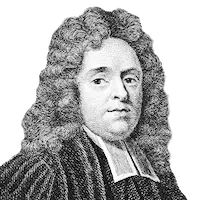
Matthew Henry Commentary
2 Kings 5:15-19
SCRIPTURE
"And he returned to the man of God, he and all his company, and came, and stood before him; and he said, Behold now, I know that there is no God in all the earth, but in Israel: now therefore, I pray thee, take a present of thy servant. But he said, As Jehovah liveth, before whom I stand, I will receive none. And he urged him to take it; but he refused. And Naaman said, If not, yet, I pray thee, let there be given to thy servant two mules` burden of earth; for thy servant will henceforth offer neither burnt-offering nor sacrifice unto other gods, but unto Jehovah. In this thing Jehovah pardon thy servant: when my master goeth into the house of Rimmon to worship there, and he leaneth on my hand, and I bow myself in the house of Rimmon, when I bow myself in the house of Rimmon, Jehovah pardon thy servant in this thing. And he said unto him, Go in peace. So he departed from him a little way." — 2 Kings 5:15-19 (ASV)
The mercy of the cure affected Naaman more than the miracle. Those are best able to speak of the power of Divine grace, who themselves experience it. He also shows himself grateful to Elisha the prophet. Elijah refused any recompense, not because he thought it unlawful, for he received presents from others, but to show this new convert that the servants of the God of Israel looked upon worldly wealth with a holy contempt.
The whole work was from God, in such a manner, that the prophet would not give counsel when he had no directions from the Lord. It is not wise to violently oppose the lesser mistakes which unite with people's first convictions; we cannot bring people forward any faster than the Lord prepares them to receive instruction. Yet, as for us, if, in covenanting with God, we desire to reserve any known sin, to continue to indulge ourselves in it, that is a breach of his covenant.
Those who truly hate evil, will make it a matter of conscience to abstain from all appearances of evil.