
Matthew Henry Commentary 2 Timothy 1
Matthew Henry Commentary
2 Timothy 1
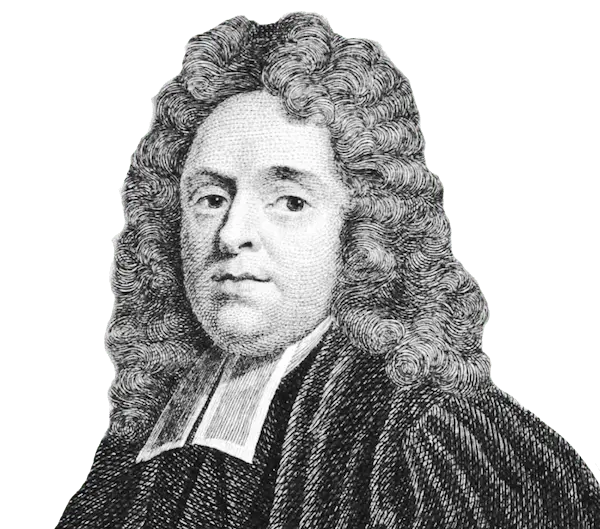
Matthew Henry Commentary
2 Timothy 1
"Paul, an apostle of Christ Jesus through the will of God, according to the promise of the life which is in Christ Jesus, to Timothy, my beloved child: Grace, mercy, peace, from God the Father and Christ Jesus our Lord. I thank God, whom I serve from my forefathers in a pure conscience, how unceasing is my remembrance of thee in my supplications, night and day longing to see thee, remembering thy tears, that I may be filled with joy; having been reminded of the unfeigned faith that is in thee; which dwelt first in thy grandmother Lois, and thy mother Eunice; and, I am persuaded, in thee also." — 2 Timothy 1:1-5 (ASV)
The promise of eternal life to believers in Christ Jesus is the leading subject of ministers who serve according to the will of God. The blessings mentioned here are the best we can ask for our beloved friends: that they may have peace with God the Father and Christ Jesus our Lord.
Whatever good we do, God must have the glory. True believers in every age have the same religion in substance. Their faith is unfeigned; it will stand the trial, and it dwells in them as a living principle.
Thus, pious women may take encouragement from the success of Lois and Eunice with Timothy, who proved to be such an excellent and useful minister. Some of the most worthy and valuable ministers with whom the church of Christ has been blessed have had to thank God for early religious impressions made on their minds by the teaching of their mothers or other female relatives.
"For which cause I put thee in remembrance that thou stir up the gift of God, which is in thee through the laying on of my hands. For God gave us not a spirit of fearfulness; but of power and love and discipline. Be not ashamed therefore of the testimony of our Lord, nor of me his prisoner: but suffer hardship with the gospel according to the power of God; who saved us, and called us with a holy calling, not according to our works, but according to his own purpose and grace, which was given us in Christ Jesus before times eternal, but hath now been manifested by the appearing of our Saviour Christ Jesus, who abolished death, and brought life and immortality to light through the gospel, whereunto I was appointed a preacher, and an apostle, and a teacher. For which cause I suffer also these things: yet I am not ashamed; for I know him whom I have believed, and I am persuaded that he is able to guard that which I have committed unto him against that day. Hold the pattern of sound words which thou hast heard from me, in faith and love which is in Christ Jesus. That good thing which was committed unto [thee] guard through the Holy Spirit which dwelleth in us." — 2 Timothy 1:6-14 (ASV)
God has not given us the spirit of fear, but rather the spirit of power—courage and resolution to meet difficulties and dangers; the spirit of love for Him, which will carry us through opposition; and the spirit of a sound mind—that is, quietness of mind. The Holy Spirit is not the author of a timid or cowardly disposition or of slavish fears. We are likely to bear afflictions well when we have strength and power from God to enable us to bear them.
As is usual with Paul, when he mentions Christ and His redemption, he elaborates on them; so full was he of that which is all our salvation and ought to be all our desire. The call of the gospel is a holy call, making us holy. Salvation is by free grace. This grace is said to have been given to us before the world began—that is, in God's purpose from all eternity. It was given in Christ Jesus, for all gifts from God to sinful humanity come only in and through Christ Jesus.
And since there is such a clear prospect of eternal happiness through faith in Him, who is the Resurrection and the Life, let us be more diligent in making His salvation sure to our souls. Those who cling to the gospel need not be ashamed; the cause will vindicate them. But those who oppose it will be ashamed. The apostle had entrusted his life, his soul, and his eternal interests to the Lord Jesus.
No one else could deliver and secure his soul through the trials of life and death. A day is coming when our souls will be called to account: "You had a soul committed to you; how was it employed? In the service of sin, or in the service of Christ?" The hope of the humblest true Christian rests on the same foundation as that of the great apostle. He also has learned the value and the danger of his soul; he also has believed in Christ. And the change worked in his soul convinces the believer that the Lord Jesus will keep him for His heavenly kingdom.
Paul exhorts Timothy to hold fast to the Holy Scriptures, the substance of solid gospel truth found in them. It is not enough to assent to the sound words, but we must love them. Christian doctrine is a trust committed to us; it is of unspeakable value in itself and will be of unspeakable advantage to us. It is committed to us to be preserved pure and complete. Yet we must not think we can keep it by our own strength, but by the power of the Holy Spirit dwelling in us. And it will not be secured by those who trust in their own hearts and lean to their own understandings. (2 Timothy 1:15–18)
"This thou knowest, that all that are in Asia turned away from me; of whom are Phygelus and Hermogenes. The Lord grant mercy unto the house of Onesiphorus: for he oft refreshed me, and was not ashamed of my chain; but, when he was in Rome, he sought me diligently, and found me (the Lord grant unto him to find mercy of the Lord in that day); and in how many things he ministered at Ephesus, thou knowest very well." — 2 Timothy 1:15-18 (ASV)
The apostle mentions the constancy of Onesiphorus; he often refreshed him with his letters, counsels, and comforts, and was not ashamed of him. A good man will seek to do good.
The day of death and judgment is an awe-inspiring day. And if we wish to receive mercy then, we must seek it now from the Lord. The best we can ask, for ourselves or our friends, is that the Lord will grant that we and they may find mercy from the Lord when called to pass out of time into eternity and to appear before the judgment seat of Christ.
Jump to: