
Matthew Henry Commentary Acts 10:1-8
Matthew Henry Commentary
Acts 10:1-8
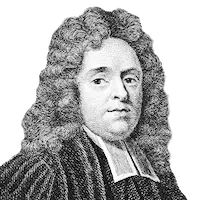
Matthew Henry Commentary
Acts 10:1-8
SCRIPTURE
"Now [there was] a certain man in Caesarea, Cornelius by name, a centurion of the band called the Italian [band], a devout man, and one that feared God with all his house, who gave much alms to the people, and prayed to God always. He saw in a vision openly, as it were about the ninth hour of the day, an angel of God coming in unto him, and saying to him, Cornelius. And he, fastening his eyes upon him, and being affrighted, said, What is it, Lord? And he said unto him, Thy prayers and thine alms are gone up for a memorial before God. And now send men to Joppa, and fetch one Simon, who is surnamed Peter: he lodgeth with one Simon a tanner, whose house is by the sea side. And when the angel that spake unto him was departed, he called two of his household-servants, and a devout soldier of them that waited on him continually; and having rehearsed all things unto them, he sent them to Joppa." — Acts 10:1-8 (ASV)
Until now, none had been baptized into the Christian church except Jews, Samaritans, and those converts who had been circumcised and observed the ceremonial law; but now the Gentiles were to be called to share in all the privileges of God's people, without first becoming Jews. Pure and undefiled religion is sometimes found where we least expect it.
Wherever the fear of God rules in the heart, it will be evident both in works of charity and of piety, and neither will excuse the neglect of the other. Undoubtedly, Cornelius had true faith in God's word, as far as he understood it, though not yet a clear faith in Christ. This was the work of the Spirit of God, through the mediation of Jesus, even before Cornelius knew Him, as is the case with all of us when we, who were previously dead in sin, are made alive.
His prayers and alms were also accepted through Christ, which otherwise would have been rejected. Without dispute or delay, Cornelius was obedient to the heavenly vision. In the affairs of our souls, let us not lose time.