
Matthew Henry Commentary Acts 4:15-22
Matthew Henry Commentary
Acts 4:15-22
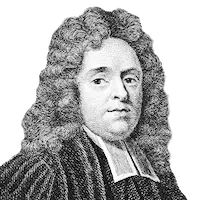
Matthew Henry Commentary
Acts 4:15-22
SCRIPTURE
"But when they had commanded them to go aside out of the council, they conferred among themselves, saying, What shall we do to these men? for that indeed a notable miracle hath been wrought through them, is manifest to all that dwell in Jerusalem; and we cannot deny it. But that it spread no further among the people, let us threaten them, that they speak henceforth to no man in this name. And they called them, and charged them not to speak at all nor teach in the name of Jesus. But Peter and John answered and said unto them, Whether it is right in the sight of God to hearken unto you rather than unto God, judge ye: for we cannot but speak the things which we saw and heard. And they, when they had further threatened them, let them go, finding nothing how they might punish them, because of the people; for all men glorified God for that which was done. For the man was more than forty years old, on whom this miracle of healing was wrought." — Acts 4:15-22 (ASV)
The primary concern of the rulers is that the doctrine of Christ does not spread among the people, yet they cannot say it is false or dangerous, or has any harmful tendency; and they are ashamed to admit the true reason: that it testifies against their hypocrisy, wickedness, and tyranny.
Those who know how to place a proper value on Christ's promises also know how to show proper contempt for the world's threats.
The apostles look with concern on perishing souls and know they cannot escape eternal ruin except through Jesus Christ; therefore, they are faithful in warning and showing the right way.
No one will enjoy peace of mind, nor act uprightly, until they have learned to guide their conduct by the fixed standard of truth, and not by the shifting opinions and fancies of people.
Especially beware of a vain attempt to serve two masters, God and the world; the outcome will be that you can serve neither fully.