
Matthew Henry Commentary Colossians 1
Matthew Henry Commentary
Colossians 1
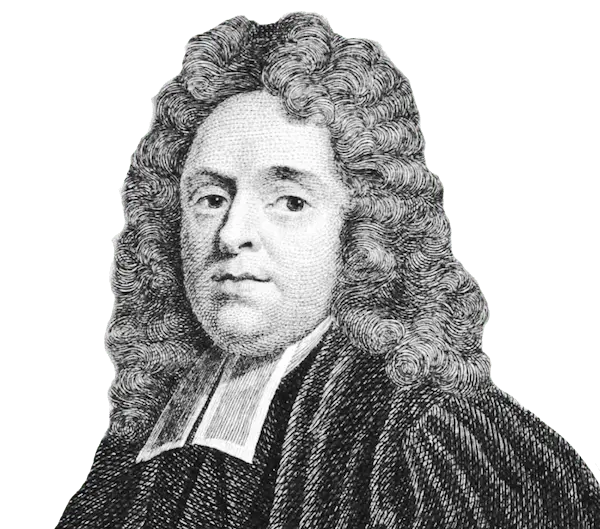
Matthew Henry Commentary
Colossians 1
"Paul, an apostle of Christ Jesus through the will of God, and Timothy our brother, To the saints and faithful brethren in Christ [that are] at Colossae: Grace to you and peace from God our Father. We give thanks to God the Father of our Lord Jesus Christ, praying always for you, having heard of your faith in Christ Jesus, and of the love which ye have toward all the saints, because of the hope which is laid up for you in the heavens, whereof ye heard before in the word of the truth of the gospel, which is come unto you; even as it is also in all the world bearing fruit and increasing, as [it doth] in you also, since the day ye heard and knew the grace of God in truth; even as ye learned of Epaphras our beloved fellow-servant, who is a faithful minister of Christ on our behalf, who also declared unto us your love in the Spirit." — Colossians 1:1-8 (ASV)
All true Christians are brothers and sisters to one another. Faithfulness runs through every character and relation of the Christian life. Faith, hope, and love are the three principal graces in the Christian life, and proper matter for prayer and thanksgiving.
The more we fix our hopes on the reward in the other world, the more free we will be in doing good with our earthly treasure. It was treasured up for them; no enemy could deprive them of it.
The gospel is the word of truth, and we may safely venture our souls upon it. And all who hear the word of the gospel, ought to bring forth the fruit of the gospel, obey it, and have their principles and lives formed according to it.
Worldly love arises, either from views of interest or from likeness in manners; carnal love, from the appetite for pleasure. To these, something corrupt, selfish, and base always clings. But Christian love arises from the Holy Spirit, and is full of holiness. (Colossians 1:9–14)
"For this cause we also, since the day we heard [it], do not cease to pray and make request for you, that ye may be filled with the knowledge of his will in all spiritual wisdom and understanding, to walk worthily of the Lord unto all pleasing, bearing fruit in every good work, and increasing in the knowledge of God; strengthened with all power, according to the might of his glory, unto all patience and longsuffering with joy; giving thanks unto the Father, who made us meet to be partakers of the inheritance of the saints in light; who delivered us out of the power of darkness, and translated us into the kingdom of the Son of his love; in whom we have our redemption, the forgiveness of our sins:" — Colossians 1:9-14 (ASV)
The apostle was constant in prayer, that the believers might be filled with the knowledge of God's will, in all wisdom. Good words will not do without good works. He who undertakes to give strength to his people, is a God of power, and of glorious power. The blessed Spirit is the author of this.
In praying for spiritual strength, we are not limited or confined by the promises, and should not be so in our hopes and desires. The grace of God in the hearts of believers is the power of God; and there is glory in this power. The special use of this strength was for sufferings. There is work to be done, even when we are suffering.
Amidst all their trials they gave thanks to the Father of our Lord Jesus, whose special grace fitted them to partake of the inheritance provided for the saints. To bring about this change, those who were slaves of Satan were made willing subjects of Christ. All who are designed for heaven hereafter, are prepared for heaven now. Those who have the inheritance of sons, have the education of sons, and the disposition of sons.
By faith in Christ they enjoyed this redemption, as the purchase of his atoning blood, by which forgiveness of sins, and all other spiritual blessings were bestowed. Surely then we will consider it a blessing to be delivered from Satan's kingdom and brought into Christ's kingdom, knowing that all trials will soon end, and that every believer will be found among those who come out of great tribulation.
"who is the image of the invisible God, the firstborn of all creation; for in him were all things created, in the heavens and upon the earth, things visible and things invisible, whether thrones or dominions or principalities or powers; all things have been created through him, and unto him; and he is before all things, and in him all things consist. And he is the head of the body, the church: who is the beginning, the firstborn from the dead; that in all things he might have the preeminence. For it was the good pleasure [of the Father] that in him should all the fulness dwell; and through him to reconcile all things unto himself, having made peace through the blood of his cross; through him, [I say], whether things upon the earth, or things in the heavens. And you, being in time past alienated and enemies in your mind in your evil works, yet now hath he reconciled in the body of his flesh through death, to present you holy and without blemish and unreproveable before him: if so be that ye continue in the faith, grounded and stedfast, and not moved away from the hope of the gospel which ye heard, which was preached in all creation under heaven; whereof I Paul was made a minister." — Colossians 1:15-23 (ASV)
Christ in His human nature is the visible manifestation of the invisible God, and he who has seen Him has seen the Father. Let us adore these mysteries in humble faith and behold the glory of the Lord in Christ Jesus. He was born or begotten before all creation, before any creature was made—which is the way Scripture represents eternity, and by which the eternity of God is represented to us.
All things, having been created by Him, were also created for Him. Made by His power, they were made according to His pleasure and for His praise and glory. He not only created them all at first, but it is by the word of His power that they are upheld. Christ as Mediator is the Head of the body, the church; all grace and strength are from Him, and the church is His body.
All fullness dwells in Him—a fullness of merit and righteousness, of strength and grace for us. God showed His justice in requiring full satisfaction. This way of redeeming humankind by the death of Christ was most suitable. Here, the method of being reconciled is presented to us.
And, notwithstanding God's hatred of sin, it pleased God to reconcile fallen humanity to Himself. If we are convinced that we were enemies in our minds by wicked works, and that we are now reconciled to God by the sacrifice and death of Christ in our nature, we will not attempt to explain away, nor think to fully comprehend these mysteries; but we will see the glory of this plan of redemption and rejoice in the hope set before us. If this is so—that God's love for us is so great—what should we do now for God?
Be frequent in prayer and abound in holy duties; and live no longer for yourselves, but for Christ. Christ died for us. But why? Was it so that we should still live in sin? No; but so that we should die to sin, and live from now on not for ourselves, but for Him.
"Now I rejoice in my sufferings for your sake, and fill up on my part that which is lacking of the afflictions of Christ in my flesh for his body`s sake, which is the church; whereof I was made a minister, according to the dispensation of God which was given me to you-ward, to fulfil the word of God, [even] the mystery which hath been hid for ages and generations: but now hath it been manifested to his saints, to whom God was pleased to make known what is the riches of the glory of this mystery among the Gentiles, which is Christ in you, the hope of glory: whom we proclaim, admonishing every man and teaching every man in all wisdom, that we may present every man perfect in Christ; whereunto I labor also, striving according to his working, which worketh in me mightily." — Colossians 1:24-29 (ASV)
Both the sufferings of the Head and of the members are called the sufferings of Christ, and make up, as it were, one body of sufferings. But He suffered for the redemption of the church; we suffer on other accounts, for we merely taste that cup of afflictions of which Christ first drank deeply. A Christian may be said to fill up what remains of the sufferings of Christ, when he takes up his cross, and after the pattern of Christ, bears patiently the afflictions God allots to him.
Let us be thankful that God has made known to us mysteries hidden from ages and generations, and has shown the riches of his glory among us. As Christ is preached among us, let us seriously inquire whether he dwells and reigns in us; for this alone can warrant our assured hope of his glory. We must be faithful to death, through all trials, that we may receive the crown of life, and obtain the end of our faith, the salvation of our souls.
Jump to: