
Matthew Henry Commentary Colossians 2:18-23
Matthew Henry Commentary
Colossians 2:18-23
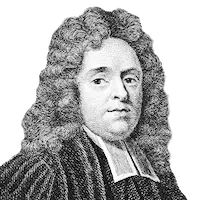
Matthew Henry Commentary
Colossians 2:18-23
SCRIPTURE
"Let no man rob you of your prize by a voluntary humility and worshipping of the angels, dwelling in the things which he hath seen, vainly puffed up by his fleshly mind, and not holding fast the Head, from whom all the body, being supplied and knit together through the joints and bands, increasing with the increase of God. If ye died with Christ from the rudiments of the world, why, as though living in the world, do ye subject yourselves to ordinances, Handle not, nor taste, nor touch (all which things are to perish with the using), after the precepts and doctrines of men? Which things have indeed a show of wisdom in will-worship, and humility, and severity to the body; [but are] not of any value against the indulgence of the flesh." — Colossians 2:18-23 (ASV)
It looked like humility to appeal to angels, as if people were conscious of their unworthiness to speak directly to God. But it is not justifiable; it is taking that honor which is due to Christ alone, and giving it to a creature. There really was pride in this apparent humility. Those who worship angels reject Christ, who is the only Mediator between God and man.
It is an insult to Christ, who is the Head of the church, to use any intercessors other than him. When people let go of their hold on Christ, they grasp at what will be of no use to them. The body of Christ is a growing body. And true believers cannot live in the ways of the world.
True wisdom is to adhere closely to the directives of the gospel, in complete subjection to Christ, who is the only Head of his church. Self-imposed sufferings and fastings might have an appearance of uncommon spirituality and willingness for suffering, but this did not bring any honor to God. All of this tended, in a wrong way, to satisfy the carnal mind by gratifying self-will, self-wisdom, self-righteousness, and contempt of others.
These things are such that they do not even carry the appearance of wisdom; or it is so faint an appearance that they do the soul no good and do not provide for the satisfying of the flesh. Whatever the Lord has left as a matter of indifference, let us regard it as such and leave others to the same freedom. Remembering the transitory nature of earthly things, let us seek to glorify God in their use.