
Matthew Henry Commentary Ecclesiastes 7:11-22
Matthew Henry Commentary
Ecclesiastes 7:11-22
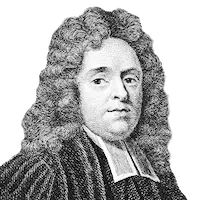
Matthew Henry Commentary
Ecclesiastes 7:11-22
SCRIPTURE
"Wisdom is as good as an inheritance; yea, more excellent is it for them that see the sun. For wisdom is a defence, even as money is a defence; but the excellency of knowledge is, that wisdom preserveth the life of him that hath it. Consider the work of God: for who can make that straight, which he hath made crooked? In the day of prosperity be joyful, and in the day of adversity consider; yea, God hath made the one side by side with the other, to the end that man should not find out anything [that shall be] after him. All this have I seen in my days of vanity: there is a righteous man that perisheth in his righteousness, and there is a wicked man that prolongeth [his life] in his evil-doing. Be not righteous overmuch; neither make thyself overwise: why shouldest thou destroy thyself? Be not overmuch wicked, neither be thou foolish: why shouldest thou die before thy time? It is good that thou shouldest take hold of this; yea, also from that withdraw not thy hand: for he that feareth God shall come forth from them all. Wisdom is a strength to the wise man more than ten rulers that are in a city. Surely there is not a righteous man upon earth, that doeth good, and sinneth not. Also take not heed unto all words that are spoken, lest thou hear thy servant curse thee; for oftentimes also thine own heart knoweth that thou thyself likewise hast cursed others." — Ecclesiastes 7:11-22 (ASV)
Wisdom is as good as an inheritance, indeed better. It shelters from the storms and scorching heat of trouble. Wealth will not prolong the natural life, but true wisdom will give spiritual life and strengthen people for service during their sufferings.
Let us look upon the ordering of our circumstances as the work of God, and in the end, all will appear to have been for the best. In acts of righteousness, do not be carried away by strong emotions or passions, not even by zeal for God.
Do not be conceited about your own abilities, nor find fault with everything, nor involve yourself in other people's matters. Many who will not be influenced by the fear of God and the dread of hell will avoid sins that ruin their health and property and expose them to public justice. But those that truly fear God have only one end to serve; therefore, they act steadily. If we say we have not sinned, we deceive ourselves.
Every true believer is ready to say, God be merciful to me a sinner. Do not forget, at the same time, that personal righteousness—walking in newness of life—is the only real evidence of a genuine participation by faith in the righteousness of the Redeemer. Wisdom teaches us not to be quick in resenting insults. Do not be eager to know what people say; if they speak well of you, it will feed your pride; if ill, it will stir up your passion.
Ensure that you commend yourself to God and your own conscience, and then pay no attention to what people say about you; it is easier to overlook twenty insults than to avenge one. When any harm is done to us, let us examine whether we have not done something as bad to others.