
Matthew Henry Commentary Ephesians 2:1-10
Matthew Henry Commentary
Ephesians 2:1-10
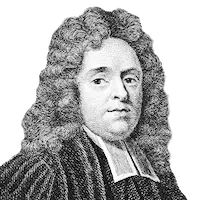
Matthew Henry Commentary
Ephesians 2:1-10
SCRIPTURE
"And you [did he make alive,] when ye were dead through your trespasses and sins, wherein ye once walked according to the course of this world, according to the prince of the powers of the air, of the spirit that now worketh in the sons of disobedience; among whom we also all once lived in the lust of our flesh, doing the desires of the flesh and of the mind, and were by nature children of wrath, even as the rest:-- but God, being rich in mercy, for his great love wherewith he loved us, even when we were dead through our trespasses, made us alive together with Christ (by grace have ye been saved), and raised us up with him, and made us to sit with him in the heavenly [places], in Christ Jesus: that in the ages to come he might show the exceeding riches of his grace in kindness toward us in Christ Jesus: for by grace have ye been saved through faith; and that not of yourselves, [it is] the gift of God; not of works, that no man should glory. For we are his workmanship, created in Christ Jesus for good works, which God afore prepared that we should walk in them." — Ephesians 2:1-10 (ASV)
Sin is the death of the soul. A man dead in trespasses and sins has no desire for spiritual pleasures. When we look upon a corpse, it evokes an awful feeling. A never-dying spirit has now fled and has left nothing but the ruins of a man. But if we viewed things correctly, we would be far more affected by the thought of a dead soul, a lost, fallen spirit.
A state of sin is a state of conformity to this world. Wicked men are slaves to Satan. Satan is the author of that proud, carnal disposition found in ungodly men; he rules in the hearts of men. From Scripture it is clear that whether men have been most prone to sensual or to spiritual wickedness, all men, being naturally children of disobedience, are also by nature children of wrath. What reason then do sinners have to seek earnestly for that grace which will make them, from children of wrath, children of God and heirs of glory!
God's eternal love or good-will toward his creatures is the fountain from which all his mercies flow to us; and that love of God is great love, and that mercy is rich mercy. And every converted sinner is a saved sinner, delivered from sin and wrath. The grace that saves is the free, undeserved goodness and favor of God; and he saves, not by the works of the law, but through faith in Christ Jesus.
Grace in the soul is a new life in the soul. A regenerated sinner becomes a living soul; he lives a life of holiness, being born of God: he lives, being delivered from the guilt of sin by pardoning and justifying grace. Sinners roll themselves in the dust; sanctified souls sit in heavenly places, are raised above this world by Christ's grace. The goodness of God in converting and saving sinners previously encourages others in later times to hope in his grace and mercy.
Our faith, our conversion, and our eternal salvation are not of works, lest any man should boast. These things are not brought about by anything done by us; therefore, all boasting is excluded. All is the free gift of God, and the effect of being quickened by his power. It was his purpose, to which he prepared us—by blessing us with the knowledge of his will, and his Holy Spirit producing in us such a change—that we should glorify God by our good conduct and perseverance in holiness.
No one can misuse Scripture to abuse this doctrine or accuse it of any tendency to evil. All who do so are without excuse.