
Matthew Henry Commentary Esther 5:9-14
Matthew Henry Commentary
Esther 5:9-14
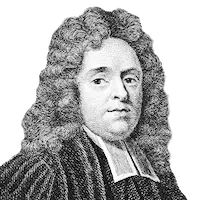
Matthew Henry Commentary
Esther 5:9-14
SCRIPTURE
"Then went Haman forth that day joyful and glad of heart: but when Haman saw Mordecai in the king`s gate, that he stood not up nor moved for him, he was filled with wrath against Mordecai. Nevertheless Haman refrained himself, and went home; and he sent and fetched his friends and Zeresh his wife. And Haman recounted unto them the glory of his riches, and the multitude of his children, and all the things wherein the king had promoted him, and how he had advanced him above the princes and servants of the king. Haman said moreover, Yea, Esther the queen did let no man come in with the king unto the banquet that she had prepared but myself; and to-morrow also am I invited by her together with the king. Yet all this availeth me nothing, so long as I see Mordecai the Jew sitting at the king`s gate. Then said Zeresh his wife and all his friends unto him, Let a gallows be made fifty cubits high, and in the morning speak thou unto the king that Mordecai may be hanged thereon: then go thou in merrily with the king unto the banquet. And the thing pleased Haman; and he caused the gallows to be made." — Esther 5:9-14 (ASV)
This account of Haman is a comment upon Proverbs 21:24. Self-admirers and self-flatterers are really self-deceivers.
Haman, the higher he is lifted up, the more impatient he is of contempt, and the more enraged at it. The affront from Mordecai spoiled all. A slight affront, which a humble man would scarcely notice, will torment a proud man, even to madness, and will ruin all his comforts.
Those disposed to be uneasy will never lack something to be uneasy about. Such are proud men; though they have much that pleases them, if they do not have everything that pleases them, it is as nothing to them.
Many call the proud happy, who display pomp and make a show; but this is a mistaken thought. Many poor cottagers feel far less uneasiness than the rich, with all their fancied advantages around them. The man who does not know Christ is poor though he is rich, because he is utterly destitute of that which alone is true riches.