
Matthew Henry Commentary Exodus 16:13-21
Matthew Henry Commentary
Exodus 16:13-21
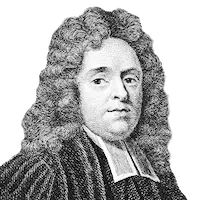
Matthew Henry Commentary
Exodus 16:13-21
SCRIPTURE
"And it came to pass at even, that the quails came up, and covered the camp: and in the morning the dew lay round about the camp. And when the dew that lay was gone up, behold, upon the face of the wilderness a small round thing, small as the hoar-frost on the ground. And when the children of Israel saw it, they said one to another, What is it? For they knew not what it was. And Moses said unto them, It is the bread which Jehovah hath given you to eat. This is the thing which Jehovah hath commanded, Gather ye of it every man according to his eating; an omer a head, according to the number of your persons, shall ye take it, every man for them that are in his tent. And the children of Israel did so, and gathered some more, some less. And when they measured it with an omer, he that gathered much had nothing over, and he that gathered little had no lack; they gathered every man according to his eating. And Moses said unto them, Let no man leave of it till the morning. Notwithstanding they hearkened not unto Moses; but some of them left of it until the morning, and it bred worms, and became foul: and Moses was wroth with them. And they gathered it morning by morning, every man according to his eating: and when the sun waxed hot, it melted." — Exodus 16:13-21 (ASV)
At evening the quails came up, and the people caught with ease as many as they needed. The manna came down in dew. They called it “Manna, Manhu,” which means, “What is this?” “It is a portion; it is that which our God has allotted us, and we will take it, and be thankful.” It was pleasant food; it was wholesome food.
The manna was rained from heaven; it appeared, when the dew was gone, as a small round thing, as small as the hoar frost, like coriander seed, in color like pearls. The manna fell only six days in the week, and in double quantity on the sixth day; it bred worms and became offensive if kept more than one day, except on the Sabbath. The people had never seen it before.
It could be ground in a mill, or beaten in a mortar, and was then made into cakes and baked. It continued the forty years the Israelites were in the wilderness, wherever they went, and ceased when they arrived in Canaan. All this shows how different it was from anything found before, or found now.
They were to gather the manna every morning. We are by this taught:
- To be prudent and diligent in providing food for ourselves and our households; working with quietness, and eating our own bread, not the bread of idleness or deceit. God's bounty leaves room for human duty; it did so even when manna was rained. They must not eat until they have gathered.
- To be content with enough. Those who have most, have for themselves only food and clothing; those who have least, generally have these. So he who gathers much has nothing over, and he who gathers little has no lack. There is not such a disproportion between one and another in the enjoyment of the things of this life, as in the mere possession of them.
- To depend upon Providence: let them sleep quietly, even though they have no bread in their tents, nor in their entire camp, trusting that God, with the following day, would bring them their daily bread. It was surer and safer in God's storehouse than in their own, and would come from there sweeter and fresher.
See here the folly of hoarding. The manna laid up by some, who thought themselves wiser, and better managers, than their neighbors, and who would provide lest it should fail next day, bred worms, and became good for nothing. That will prove to be most wasted, which is covetously and distrustfully spared. Such riches are corrupted (James 5:2, 3). The same wisdom, power, and goodness that brought food daily from above for the Israelites in the wilderness, brings food yearly out of the earth in the constant course of nature, and gives us all things richly to enjoy.