
Matthew Henry Commentary Exodus 19:1-8
Matthew Henry Commentary
Exodus 19:1-8
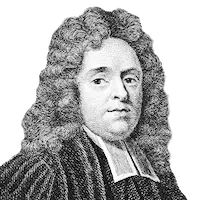
Matthew Henry Commentary
Exodus 19:1-8
SCRIPTURE
"In the third month after the children of Israel were gone forth out of the land of Egypt, the same day came they into the wilderness of Sinai. And when they were departed from Rephidim, and were come to the wilderness of Sinai, they encamped in the wilderness; and there Israel encamped before the mount. And Moses went up unto God, and Jehovah called unto him out of the mountain, saying, Thus shalt thou say to the house of Jacob, and tell the children of Israel: Ye have seen what I did unto the Egyptians, and how I bare you on eagles` wings, and brought you unto myself. Now therefore, if ye will obey my voice indeed, and keep my covenant, then ye shall be mine own possession from among all peoples: for all the earth is mine: and ye shall be unto me a kingdom of priests, and a holy nation. These are the words which thou shalt speak unto the children of Israel. And Moses came and called for the elders of the people, and set before them all these words which Jehovah commanded him. And all the people answered together, and said, All that Jehovah hath spoken we will do. And Moses reported the words of the people unto Jehovah." — Exodus 19:1-8 (ASV)
Moses was called up the mountain, and was employed as the messenger of this covenant. The Maker and first Mover of the covenant is God himself. This blessed charter was granted out of God's own free grace. The covenant mentioned here was the national covenant, by which the Israelites were a people under the government of Jehovah. It was a type of the new covenant made with true believers in Christ Jesus; but, like other types, it was only a shadow of good things to come.
As a nation they broke this covenant; therefore the Lord declared that he would make a new covenant with Israel, writing his law, not upon tables of stone, but in their hearts (Jeremiah 31:33; Hebrews 8:7–10). The covenant spoken of in these passages as ready to vanish away is the national covenant with Israel, which they forfeited by their sins. Unless we carefully attend to this, we will fall into mistakes while reading the Old Testament. We must not suppose that the nation of the Jews was under the covenant of works, which knows nothing of repentance, faith in a Mediator, forgiveness of sins, or grace; nor that the whole nation of Israel bore the character and possessed the privileges of true believers, as actual sharers in the covenant of grace.
They were all under a dispensation of mercy; they had outward privileges and advantages for salvation; but, like professing Christians, most rested in them and went no further. Israel consented to the conditions. They answered as one man, All that the Lord hath spoken we will do. Oh, that there had been such a heart in them! Moses, as a mediator, returned the words of the people to God.
Thus Christ, the Mediator, as a Prophet, reveals God's will to us, his precepts and promises; and then, as a Priest, offers up to God our spiritual sacrifices, not only of prayer and praise, but of devout affections, and pious resolutions, the work of his own Spirit in us.