
Matthew Henry Commentary Exodus 20:3-11
Matthew Henry Commentary
Exodus 20:3-11
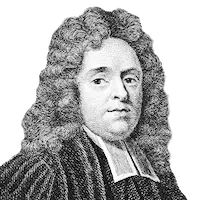
Matthew Henry Commentary
Exodus 20:3-11
SCRIPTURE
"Thou shalt have no other gods before me. Thou shalt not make unto thee a graven image, nor any likeness [of any thing] that is in heaven above, or that is in the earth beneath, or that is in the water under the earth. Thou shalt not bow down thyself unto them, nor serve them, for I Jehovah thy God am a jealous God, visiting the iniquity of the fathers upon the children, upon the third and upon the fourth generation of them that hate me, and showing lovingkindness unto thousands of them that love me and keep my commandments. Thou shalt not take the name of Jehovah thy God in vain; for Jehovah will not hold him guiltless that taketh his name in vain. Remember the sabbath day, to keep it holy. Six days shalt thou labor, and do all thy work; but the seventh day is a sabbath unto Jehovah thy God: [in it] thou shalt not do any work, thou, nor thy son, nor thy daughter, thy man-servant, nor thy maid-servant, nor thy cattle, nor thy stranger that is within thy gates: for in six days Jehovah made heaven and earth, the sea, and all that in them is, and rested the seventh day: wherefore Jehovah blessed the sabbath day, and hallowed it." — Exodus 20:3-11 (ASV)
The first four of the Ten Commandments, commonly called the First Table, tell us our duty to God. It was fitting that these should be put first, because humans had a Maker to love before they had a neighbour to love. It cannot be expected that a person should be true to their brother or sister, who is false to their God. The first commandment concerns the object of worship, JEHOVAH, and Him only.
The worship of creatures is forbidden here. Whatever comes short of perfect love, gratitude, reverence, or worship breaks this commandment. Whatever you do, do all to the glory of God. The second commandment refers to the worship we are to render to the Lord our God. It is forbidden to make any image or picture of the Deity, in any form or for any purpose; or to worship any creature, image, or picture.
But the spiritual significance of this command extends much further. All kinds of superstition are forbidden here, and the use of mere human inventions in the worship of God. The third commandment concerns the manner of worship, that it be conducted with all possible reverence and seriousness. All false oaths are forbidden. All frivolous appealing to God, all profane cursing, is a terrible breach of this command.
Whether it concerns the Word of God or other sacred things, all similar misuses break this commandment, and there is no profit, honour, or pleasure in them. The Lord will not hold him guiltless that takes His name in vain. The form of the fourth commandment, “Remember,” shows that it was not given for the first time then, but was known by the people before. One day in seven is to be kept holy.
Six days are allotted for worldly business, but not in such a way as to neglect the service of God and the care of our souls. On those days we must do all our work, and leave none to be done on the Sabbath day. Christ allowed works of necessity, charity, and piety; for the sabbath was made for man, and not man for the sabbath (Mark 2:27); but all works of luxury, vanity, or self-indulgence in any form are forbidden. Trading, paying wages, settling accounts, writing letters of business, worldly studies, frivolous visits, journeys, or idle conversation do not constitute keeping this day holy to the Lord.
Sloth and indolence may be a carnal rest, but not a holy rest. The Sabbath of the Lord should be a day of rest from worldly labour and a rest in the service of God. The advantages from the proper observance of this holy day—even if only for the health and happiness of humankind, along with the time it affords for taking care of the soul—demonstrate the excellence of this commandment. The day is blessed; people are blessed by it and in it.
The blessing and direction to keep this day holy are not limited to the seventh day, but are spoken of the Sabbath day.