
Matthew Henry Commentary Exodus 9:1-7
Matthew Henry Commentary
Exodus 9:1-7
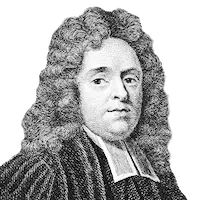
Matthew Henry Commentary
Exodus 9:1-7
SCRIPTURE
"Then Jehovah said unto Moses, Go in unto Pharaoh, and tell him, Thus saith Jehovah, the God of the Hebrews, Let my people go, that they may serve me. For if thou refuse to let them go, and wilt hold them still, behold, the hand of Jehovah is upon thy cattle which are in the field, upon the horses, upon the asses, upon the camels, upon the herds, and upon the flocks: [there shall be] a very grievous murrain. And Jehovah shall make a distinction between the cattle of Israel and the cattle of Egypt; and there shall nothing die of all that belongeth to the children of Israel. And Jehovah appointed a set time, saying, To-morrow Jehovah shall do this thing in the land. And Jehovah did that thing on the morrow; and all the cattle of Egypt died; but of the cattle of the children of Israel died not one. And Pharaoh sent, and, behold, there was not so much as one of the cattle of the Israelites dead. But the heart of Pharaoh was stubborn, and he did not let the people go." — Exodus 9:1-7 (ASV)
God wills for Israel to be released, but Pharaoh opposes it, and the test is whose word will stand. Immediately, the hand of the Lord is upon the cattle, many of which—some of all kinds—die by a deadly livestock disease. This was a great loss to the owners; they had made Israel poor, and now God would make them poor. The hand of God is to be seen even in the sickness and death of cattle; for a sparrow does not fall to the ground without our Father.
None of the Israelites' cattle were to die; the Lord shall sever. The cattle died. The Egyptians worshipped their cattle. Whatever we make an idol of, it is just for God to remove from us. This proud tyrant and cruel oppressor deserved to be made an example by the just Judge of the universe.
No one who is punished according to what they deserve can have any just cause to complain. Hardness of heart denotes that state of mind upon which neither threats nor promise, neither judgments nor mercies, make any lasting impression. With the conscience stupefied and the heart filled with pride and presumption, they persist in unbelief and disobedience. This state of mind is also called the stony heart.
Very different is the heart of flesh, the broken and contrite heart. Sinners have no one to blame but themselves for that pride and ungodliness which abuse the bounty and patience of God. For, although the Lord hardens human hearts, it is always as a punishment for former sins.