
Matthew Henry Commentary Galatians 2:1-10
Matthew Henry Commentary
Galatians 2:1-10
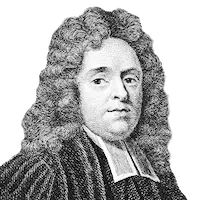
Matthew Henry Commentary
Galatians 2:1-10
SCRIPTURE
"Then after the space of fourteen years I went up again to Jerusalem with Barnabas, taking Titus also with me. And I went up by revelation; and I laid before them the gospel which I preach among the Gentiles but privately before them who were of repute, lest by any means I should be running, or had run, in vain. But not even Titus who was with me, being a Greek, was compelled to be circumcised: and that because of the false brethren privily brought in, who came in privily to spy out our liberty which we have in Christ Jesus, that they might bring us into bondage: to whom we gave place in the way of subjection, no, not for an hour; that the truth of the gospel might continue with you. But from those who were reputed to be somewhat (whatsoever they were, it maketh no matter to me: God accepteth not man`s person)-- they, I say, who were of repute imparted nothing to me: but contrariwise, when they saw that I had been intrusted with the gospel of the uncircumcision, even as Peter with [the gospel] of the circumcision (for he that wrought for Peter unto the apostleship of the circumcision wrought for me also unto the Gentiles); and when they perceived the grace that was given unto me, James and Cephas and John, they who were reputed to be pillars, gave to me and Barnabas the right hands of fellowship, that we should go unto the Gentiles, and they unto the circumcision; only [they would] that we should remember the poor; which very thing I was also zealous to do." — Galatians 2:1-10 (ASV)
Observe the apostle's faithfulness in giving a full account of the doctrine he had preached among the Gentiles and was still resolved to preach—that of Christianity, free from all mixture of Judaism. This doctrine would be unwelcome to many, yet he was not afraid to profess it. His concern was that the success of his past labors might be diminished, or his future usefulness hindered. While we simply depend upon God for success in our labors, we should use every proper caution to remove mistakes and to guard against opposers.
There are things that may lawfully be complied with, yet when they cannot be done without betraying the truth, they ought to be refused. We must not yield to any conduct by which the truth of the gospel would be discredited. Though Paul conversed with the other apostles, he did not receive any addition to his knowledge or authority from them. Perceiving the grace given to him, they gave to him and Barnabas the right hand of fellowship, by which they acknowledged that he was appointed to the honor and office of an apostle just as they themselves were.
They agreed that these two should go to the Gentiles, while they continued to preach to the Jews, judging it consistent with the mind of Christ to divide their work in this way. Here we learn that the gospel is not ours, but God's, and that humans are only its keepers; for this we are to praise God. The apostle showed his charitable disposition and how ready he was to acknowledge the Jewish converts as brethren, though many would hardly grant the same favor to the converted Gentiles; but a mere difference of opinion was no reason for him not to help them.
In this is a pattern of Christian charity, which we should extend to all the disciples of Christ.