
Matthew Henry Commentary Genesis 47:13-26
Matthew Henry Commentary
Genesis 47:13-26
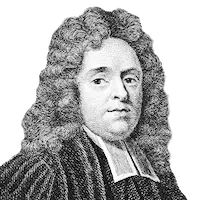
Matthew Henry Commentary
Genesis 47:13-26
SCRIPTURE
"And there was no bread in all the land; for the famine was very sore, so that the land of Egypt and the land of Canaan fainted by reason of the famine. And Joseph gathered up all the money that was found in the land of Egypt, and in the land of Canaan, for the grain which they bought: and Joseph brought the money into Pharaoh`s house. And when the money was all spent in the land of Egypt, and in the land of Canaan, all the Egyptians came unto Joseph, and said, Give us bread: for why should we die in thy presence? for [our] money faileth. And Joseph said, Give your cattle; and I will give you for your cattle, if money fail. And they brought their cattle unto Joseph; and Joseph gave them bread in exchange for the horses, and for the flocks, and for the herds, and for the asses: and he fed them with bread in exchange for all their cattle for that year. And when that year was ended, they came unto him the second year, and said unto him, We will not hide from my lord, how that our money is all spent; and the herds of cattle are my lord`s; there is nought left in the sight of my lord, but our bodies, and our lands: wherefore should we die before thine eyes, both we and our land? buy us and our land for bread, and we and our land will be servants unto Pharaoh: and give us seed, that we may live, and not die, and that the land be not desolate. So Joseph bought all the land of Egypt for Pharaoh; for the Egyptians sold every man his field, because the famine was sore upon them: and the land became Pharaoh`s. And as for the people, he removed them to the cities from one end of the border of Egypt even to the other end thereof. Only the land of the priests bought he not: for the priests had a portion from Pharaoh, and did eat their portion which Pharaoh gave them; wherefore they sold not their land. Then Joseph said unto the people, Behold, I have bought you this day and your land for Pharaoh: lo, here is seed for you, and ye shall sow the land. And it shall come to pass at the ingatherings, that ye shall give a fifth unto Pharaoh, and four parts shall be your own, for seed of the field, and for your food, and for them of your households, and for food for your little ones. And they said, Thou hast saved our lives: let us find favor in the sight of my lord, and we will be Pharaoh`s servants. And Joseph made it a statute concerning the land of Egypt unto this day, that Pharaoh should have the fifth; only the land of the priests alone became not Pharaoh`s." — Genesis 47:13-26 (ASV)
With care taken for Jacob and his family—a mercy especially orchestrated by Providence through Joseph's advancement—the account now turns to how the kingdom of Egypt was saved from ruin. There was no bread, and the people were on the verge of dying. See how we depend on God's providence. All our wealth would not keep us from starving if rain were withheld for two or three years.
See how much we are at God's mercy, and let us always keep ourselves in his love. Also, see how much we suffer from our own lack of care. If all the Egyptians had stored up grain for themselves during the seven years of plenty, they would not have been in these difficult circumstances; but they disregarded the warning. Silver and gold could not feed them: they needed grain.
All that a man has he will give for his life. We cannot judge this matter by modern rules. It is clear that the Egyptians regarded Joseph as a public benefactor. The whole is consistent with Joseph's character, acting between Pharaoh and his subjects, in the fear of God. The Egyptians confessed concerning Joseph, You have saved our lives.
What multitudes will gratefully say to Jesus at the last day, "You have saved our souls from the most tremendous destruction and in the season of utmost distress!" The Egyptians parted with all their property, and even their liberty, to save their lives: can it then be too much for us to count all but loss, and part with all, at His command, and for His sake, who will both save our souls and give us an hundredfold, even here, in this present world? Surely, if saved by Christ, we will be willing to become his servants.