
Matthew Henry Commentary James 3
Matthew Henry Commentary
James 3
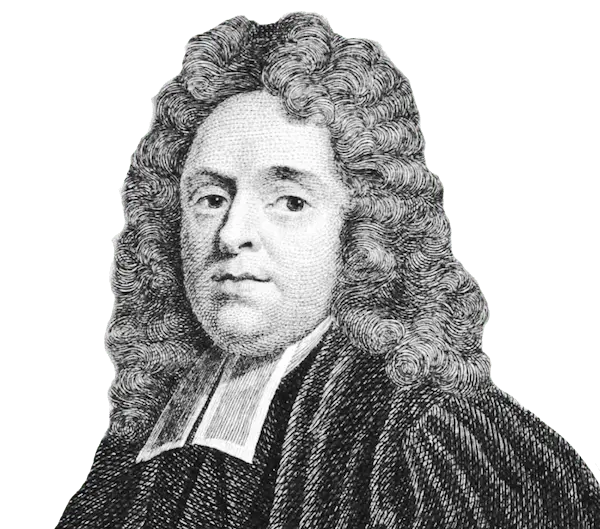
Matthew Henry Commentary
James 3
"Be not many [of you] teachers, my brethren, knowing that we shall receive heavier judgment. For in many things we all stumble. If any stumbleth not in word, the same is a perfect man, able to bridle the whole body also. Now if we put the horses` bridles into their mouths that they may obey us, we turn about their whole body also. Behold, the ships also, though they are so great and are driven by rough winds, are yet turned about by a very small rudder, whither the impulse of the steersman willeth. So the tongue also is a little member, and boasteth great things. Behold, how much wood is kindled by how small a fire! And the tongue is a fire: the world of iniquity among our members is the tongue, which defileth the whole body, and setteth on fire the wheel of nature, and is set on fire by hell. For every kind of beasts and birds, of creeping things and things in the sea, is tamed, and hath been tamed by mankind. But the tongue can no man tame; [it is] a restless evil, [it is] full of deadly poison. Therewith bless we the Lord and Father; and therewith curse we men, who are made after the likeness of God: out of the same mouth cometh forth blessing and cursing. My brethren, these things ought not so to be. Doth the fountain send forth from the same opening sweet [water] and bitter? Can a fig tree, my brethren, yield olives, or a vine figs? Neither [can] salt water yield sweet." — James 3:1-12 (ASV)
We are taught to dread an unruly tongue as one of the greatest evils. The affairs of humankind are thrown into confusion by the tongues of people. Every age of the world, and every condition of life, private or public, provides examples of this. Hell plays a greater role in promoting the fire of the tongue than people generally think; and whenever people's tongues are employed in sinful ways, they are set on fire of hell.
No one can tame the tongue without divine grace and assistance. The apostle does not represent it as impossible, but as extremely difficult. Other sins often decay with age, but this one frequently gets worse; we grow more contrary and fretful as natural strength declines, and the days approach in which we have no pleasure. When other sins are tamed and subdued by the infirmities of age, the spirit often grows more tart, as nature is drawn down to the dregs, and the words used become more passionate.
That person's tongue contradicts itself when at one time it pretends to adore God's perfections and to attribute all things to Him, and at another time condemns even good people if they do not use the same words and expressions. True religion does not permit such contradictions: how many sins would be prevented if people would always be consistent! Pious and edifying language is the genuine product of a sanctified heart; and no one who understands Christianity expects to hear curses, lies, boastings, and revilings from a true believer's mouth, any more than they look for the fruit of one tree from another.
But facts prove that more of those who profess faith succeed in bridling their senses and appetites than in properly restraining their tongues. Therefore, depending on divine grace, let us be careful to bless and not curse; and let us aim to be consistent in our words and actions.
"Who is wise and understanding among you? let him show by his good life his works in meekness of wisdom. But if ye have bitter jealousy and faction in your heart, glory not and lie not against the truth. This wisdom is not [a wisdom] that cometh down from above, but is earthly, sensual, devilish. For where jealousy and faction are, there is confusion and every vile deed. But the wisdom that is from above is first pure, then peaceable, gentle, easy to be entreated, full of mercy and good fruits, without variance, without hypocrisy. And the fruit of righteousness is sown in peace for them that make peace." — James 3:13-18 (ASV)
These verses show the difference between men's pretending to be wise, and their being really so. He who thinks well, or he who talks well, is not wise in the sense of the Scripture, if he does not live and act well. True wisdom may be known by the meekness of the spirit and temper.
Those who live in malice, envy, and contention, live in confusion; and are liable to be provoked and hurried to any evil work. Such wisdom does not come down from above, but springs up from earthly principles, acts on earthly motives, and is intent on serving earthly purposes. Those who are lifted up with such wisdom, described by the apostle James, are near to the Christian love, described by the apostle Paul; and both are so described that every man may fully prove the reality of his attainments in them.
It has no disguise or deceit. It cannot fall in with those practices the world considers wise, which are crafty and guileful; but it is sincere, and open, and steady, and uniform, and consistent with itself. May the purity, peace, gentleness, teachableness, and mercy shown in all our actions, and the fruits of righteousness abounding in our lives, prove that God has bestowed upon us this excellent gift.
Jump to: