
Matthew Henry Commentary Jeremiah 17:5-11
Matthew Henry Commentary
Jeremiah 17:5-11
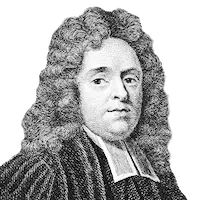
Matthew Henry Commentary
Jeremiah 17:5-11
SCRIPTURE
"Thus saith Jehovah: Cursed is the man that trusteth in man, and maketh flesh his arm, and whose heart departeth from Jehovah. For he shall be like the heath in the desert, and shall not see when good cometh, but shall inhabit the parched places in the wilderness, a salt land and not inhabited. Blessed is the man that trusteth in Jehovah, and whose trust Jehovah is. For he shall be as a tree planted by the waters, that spreadeth out its roots by the river, and shall not fear when heat cometh, but its leaf shall be green; and shall not be careful in the year of drought, neither shall cease from yielding fruit. The heart is deceitful above all things, and it is exceedingly corrupt: who can know it? I, Jehovah, search the mind, I try the heart, even to give every man according to his ways, according to the fruit of his doings. As the partridge that sitteth on [eggs] which she hath not laid, so is he that getteth riches, and not by right; in the midst of his days they shall leave him, and at his end he shall be a fool." — Jeremiah 17:5-11 (ASV)
He who puts confidence in man will be like the heath in a desert, a naked tree, a pitiful shrub, the product of barren ground, useless and worthless. Those who trust in their own righteousness and strength, and think they can do without Christ, make flesh their arm, and their souls cannot prosper in graces or comforts. Those who make God their Hope will flourish like a tree always green, whose leaf does not wither.
They will be secure in peace and satisfaction of mind; they will not be anxious in a year of drought. Those who make God their Hope have enough in him to make up for the lack of all creature-comforts. They will not cease from yielding fruit in holiness and good works. The heart, the conscience of man, in his corrupt and fallen state, is deceitful above all things.
It calls evil good, and good evil, and cries peace to those to whom peace does not belong. In this, the heart is desperately wicked; it is deadly, it is desperate. The case is bad indeed if the conscience, which should correct the errors of other faculties, is a leader in the delusion. We cannot know our own hearts, nor what they will do in an hour of temptation.
Who can understand his errors? Much less can we know the hearts of others or depend upon them. He who believes God's testimony in this matter, and learns to watch his own heart, will find this is a correct, though sad, picture, and learns many lessons to direct his conduct. But much in our own hearts and in the hearts of others will remain unknown.
Yet whatever wickedness there is in the heart, God sees it. Men may be deceived, but God cannot be deceived. He who gets riches, and not by right, though he may make them his hope, will never have joy from them. This shows what vexation it is to a worldly man at death, that he must leave his riches behind; but though the wealth will not follow to another world, guilt will, and everlasting torment.
The rich man takes pains to get an estate, and sits brooding over it, but never has any satisfaction in it; through sinful ways it comes to nothing. Let us be wise in time; whatever we get, let us get it honestly; and whatever we have, let us use it charitably, so that we may be wise for eternity.