
Matthew Henry Commentary Job 4
Matthew Henry Commentary
Job 4
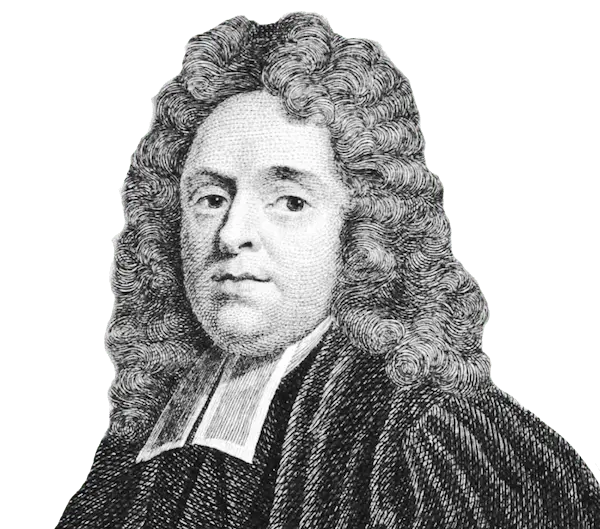
Matthew Henry Commentary
Job 4
"Then answered Eliphaz the Temanite, and said, If one assay to commune with thee, wilt thou be grieved? But who can withhold himself from speaking? Behold, thou hast instructed many, And thou hast strengthened the weak hands. Thy words have upholden him that was falling, And thou hast made firm the feeble knees. But now it is come unto thee, and thou faintest; It toucheth thee, and thou art troubled. Is not thy fear [of God] thy confidence, [And] the integrity of thy ways thy hope?" — Job 4:1-6 (ASV)
Satan undertook to prove Job a hypocrite by afflicting him; and his friends concluded him to be one because he was so afflicted and showed impatience. We must keep this in mind if we are to understand what happened.
Eliphaz speaks of Job and his afflicted condition with tenderness; but charges him with weakness and faint-heartedness. People make few allowances for those who have taught others. Even pious friends will consider that only a touch which we feel as a wound.
Learn from this to turn the mind of a sufferer from brooding over the affliction, to look at the God of mercies in the affliction. And how can this be done so well as by looking to Christ Jesus, in whose unequalled sorrows every child of God most quickly learns to forget his own?
"Remember, I pray thee, who [ever] perished, being innocent? Or where were the upright cut off? According as I have seen, they that plow iniquity, And sow trouble, reap the same. By the breath of God they perish, And by the blast of his anger are they consumed. The roaring of the lion, and the voice of the fierce lion, And the teeth of the young lions, are broken. The old lion perisheth for lack of prey, And the whelps of the lioness are scattered abroad." — Job 4:7-11 (ASV)
Eliphaz argues,
That good men were never thus ruined. But there is one event both to the righteous and to the wicked (Ecclesiastes 9:2), both in life and death; the great and certain difference is after death. Our worst mistakes are occasioned by drawing wrong views from undeniable truths.
That wicked men were often thus ruined: for the proof of this, Eliphaz vouches his own observation. We may see the same every day.
"Now a thing was secretly brought to me, And mine ear received a whisper thereof. In thoughts from the visions of the night, When deep sleep falleth on men, Fear came upon me, and trembling, Which made all my bones to shake. Then a spirit passed before my face; The hair of my flesh stood up. It stood still, but I could not discern the appearance thereof; A form was before mine eyes: [There was] silence, and I heard a voice, [saying], Shall mortal man be more just than God? Shall a man be more pure than his Maker? Behold, he putteth no trust in his servants; And his angels he chargeth with folly: How much more them that dwell in houses of clay, Whose foundation is in the dust, Who are crushed before the moth! Betwixt morning and evening they are destroyed: They perish for ever without any regarding it. Is not their tent-cord plucked up within them? They die, and that without wisdom." — Job 4:12-21 (ASV)
Eliphaz relates a vision. When we are communing with our own hearts and are still (Psalms 4:4), that is a time for the Holy Spirit to commune with us. This vision put him into very great fear. Ever since man sinned, it has been terrible for him to receive communications from Heaven, conscious that he can expect no good news from there.
Sinful man! Should he presume to be more just, more pure, than God, who, being his Maker, is his Lord and Owner? How dreadful, then, the pride and presumption of man! How great the patience of God! Look at man in his life.
The very foundation of that cottage of clay in which man dwells is in the dust, and it will sink with its own weight. We stand only on the dust. Some have a higher heap of dust to stand on than others, but still it is the earth that supports us and will shortly swallow us up. Man is soon crushed; or if some lingering illness, which consumes like a moth, is sent to destroy him, he cannot resist it.
Should such a creature presume to blame God's appointments? Look at man in his death. Life is short, and in a little time men are cut off. Beauty, strength, learning, not only cannot secure them from death, but these things die with them; neither will their pomp, their wealth, or power continue after them. Should a weak, sinful, dying creature presume to be more just than God, and more pure than his Maker?
No: instead of complaining about his afflictions, let him wonder that he is out of hell. Can a man be cleansed without his Maker? Will God justify sinful mortals and clear them from guilt? Or will he do so without their having a share in the righteousness and gracious help of their promised Redeemer, when angels, once ministering spirits before his throne, receive the just recompense of their sins? Notwithstanding the seeming impunity of men for a short time, though living without God in the world, their doom is as certain as that of the fallen angels and is continually overtaking them.
Yet careless sinners pay it so little heed that they do not expect the change, nor are wise enough to consider their latter end.
Jump to: