
Matthew Henry Commentary John 10
Matthew Henry Commentary
John 10
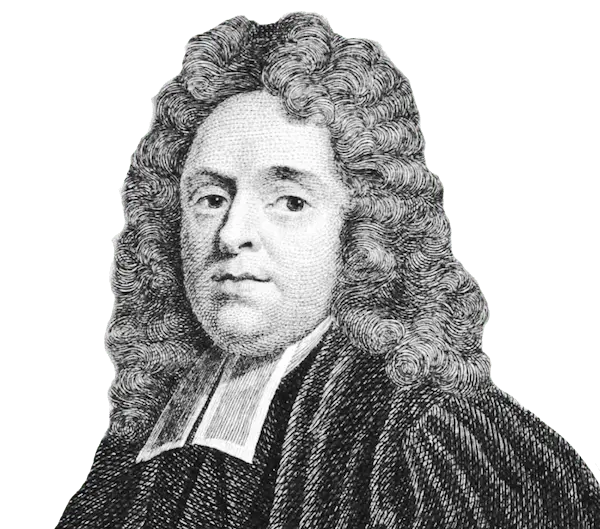
Matthew Henry Commentary
John 10
"Verily, verily, I say unto you, He that entereth not by the door into the fold of the sheep, but climbeth up some other way, the same is a thief and a robber. But he that entereth in by the door is the shepherd of the sheep. To him the porter openeth; and the sheep hear his voice: and he calleth his own sheep by name, and leadeth them out. When he hath put forth all his own, he goeth before them, and the sheep follow him: for they know his voice. And a stranger will they not follow, but will flee from him: for they know not the voice of strangers." — John 10:1-5 (ASV)
Here is a parable or similitude, taken from the customs of the East, in the management of sheep.
Men, as creatures depending on their Creator, are called the sheep of his pasture. The church of God in the world is as a sheepfold, exposed to deceivers and persecutors.
The great Shepherd of the sheep knows all who are his, guards them by his providence, guides them by his Spirit and word, and goes before them, as Eastern shepherds went before their sheep, to set them in the way of his steps.
Ministers must serve the sheep in their spiritual concerns. The Spirit of Christ will set before them an open door. The sheep of Christ will observe their Shepherd, and be cautious and shy of strangers, who would draw them from faith in him to fancies about him.
"This parable spake Jesus unto them: but they understood not what things they were which he spake unto them. Jesus therefore said unto them again, Verily, verily, I say unto you, I am the door of the sheep. All that came before me are thieves and robbers: but the sheep did not hear them. I am the door; by me if any man enter in, he shall be saved, and shall go in and go out, and shall find pasture." — John 10:6-9 (ASV)
Many who hear the word of Christ do not understand it, because they will not. But we will find one scripture expounding another, and the blessed Spirit making known the blessed Jesus.
Christ is the Door. And what greater security has the church of God than that the Lord Jesus is between it and all its enemies? He is a door open for passage and communication.
Here are plain directions how to come into the fold: we must come in by Jesus Christ as the Door. By faith in him as the great Mediator between God and man. Also, we have precious promises to those who observe this direction.
Christ has all the care of his church, and of every believer, that a good shepherd has of his flock; and he expects the church, and every believer, to wait on him, and to keep in his pasture.
"The thief cometh not, but that he may steal, and kill, and destroy: I came that they may have life, and may have [it] abundantly. I am the good shepherd: the good shepherd layeth down his life for the sheep. He that is a hireling, and not a shepherd, whose own the sheep are not, beholdeth the wolf coming, and leaveth the sheep, and fleeth, and the wolf snatcheth them, and scattereth [them]: [he fleeth] because he is a hireling, and careth not for the sheep. I am the good shepherd; and I know mine own, and mine own know me, even as the Father knoweth me, and I know the Father; and I lay down my life for the sheep. And other sheep I have, which are not of this fold: them also I must bring, and they shall hear my voice: and they shall become one flock, one shepherd. Therefore doth the Father love me, because I lay down my life, that I may take it again. No one taketh it away from me, but I lay it down of myself. I have power to lay it down, and I have power to take it again. This commandment received I from my Father." — John 10:10-18 (ASV)
Christ is a good Shepherd. Many, who were not thieves, were yet careless in their duty, and by their neglect the flock was much hurt. Bad principles are the root of bad practices. The Lord Jesus knows whom he has chosen, and is sure of them; they also know whom they have trusted, and are sure of Him.
See here the grace of Christ; since none could demand his life from him, he laid it down willingly for our redemption. He offered himself to be the Saviour; Lo, I come. And the necessity of our case calling for it, he offered himself for the Sacrifice.
He was both the offerer and the offering, so that his laying down his life was his offering of himself. From this it is plain, that he died in the place and stead of men; to obtain their release from the punishment of sin, to obtain the pardon of their sin; and that his death should obtain that pardon. Our Lord did not lay down his life for his doctrine, but for his sheep.
"There arose a division again among the Jews because of these words. And many of them said, He hath a demon, and is mad; why hear ye him? Others said, These are not the sayings of one possessed with a demon. Can a demon open the eyes of the blind?" — John 10:19-21 (ASV)
Satan ruins many by causing them to lose respect for the word and ordinances. People would not be laughed out of their necessary food, yet they allow themselves to be laughed out of what is far more necessary in this way. If our zeal and earnestness in the cause of Christ, especially in the blessed work of bringing his sheep into his fold, brings evil names upon us, let us not heed it, but remember that our Master was similarly reproached before us.
"And it was the feast of the dedication at Jerusalem: it was winter; and Jesus was walking in the temple in Solomon`s porch. The Jews therefore came round about him, and said unto him, How long dost thou hold us in suspense? If thou art the Christ, tell us plainly. Jesus answered them, I told you, and ye believe not: the works that I do in my Father`s name, these bear witness of me. But ye believe not, because ye are not of my sheep. My sheep hear my voice, and I know them, and they follow me: and I give unto them eternal life; and they shall never perish, and no one shall snatch them out of my hand. My Father, who hath given [them] unto me, is greater than all; and no one is able to snatch [them] out of the Father`s hand. I and the Father are one." — John 10:22-30 (ASV)
All who have anything to say to Christ may find him in the temple. Christ would have us believe; we make ourselves doubt. The Jews understood his meaning but could not form his words into a full charge against him. He described the gracious disposition and happy state of his sheep; they heard and believed his word, followed him as his faithful disciples, and none of them would perish; for the Son and the Father were one. Thus he was able to defend his sheep against all their enemies, which proves that he claimed Divine power and perfection equally with the Father.
Jump to: