
Matthew Henry Commentary John 21:20-24
Matthew Henry Commentary
John 21:20-24
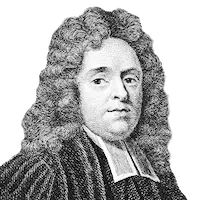
Matthew Henry Commentary
John 21:20-24
SCRIPTURE
"Peter, turning about, seeth the disciple whom Jesus loved following; who also leaned back on his breast at the supper, and said, Lord, who is he that betrayeth thee? Peter therefore seeing him saith to Jesus, Lord, and what shall this man do? Jesus saith unto him, If I will that he tarry till I come, what [is that] to thee? Follow thou me. This saying therefore went forth among the brethren, that that disciple should not die: yet Jesus said not unto him, that he should not die; but, If I will that he tarry till I come, what [is that] to thee? This is the disciple that beareth witness of these things, and wrote these things: and we know that his witness is true." — John 21:20-24 (ASV)
Sufferings, pains, and death will appear formidable even to the experienced Christian; but in the hope to glorify God, to leave a sinful world, and to be present with his Lord, he becomes ready to obey the Redeemer's call and to follow Him through death to glory. It is the will of Christ that his disciples should mind their own duty and not be curious about future events, either regarding themselves or others. Many things we are apt to be anxious about, which are nothing to us.
Other people's affairs are nothing to us, and not for us to meddle in; we must quietly work and mind our own business. Many curious questions are asked about the counsels of God and the state of the unseen world, regarding which we may say, "What is this to us?" And if we attend to the duty of following Christ, we will find neither heart nor time to meddle with what does not belong to us.
How little are any unwritten traditions to be relied upon! Let the Scripture be its own interpreter and explain itself; as it is, in large measure, its own evidence and proves itself, for it is light. See how easily such mistakes are set right by the word of Christ. Scripture language is the safest channel for Scripture truth; the words which the Holy Ghost teaches (1 Corinthians 2:13). Those who cannot agree on the same terms of art and their application may yet agree on the same Scripture terms and to love one another.