
Matthew Henry Commentary Joshua 17:14-18
Matthew Henry Commentary
Joshua 17:14-18
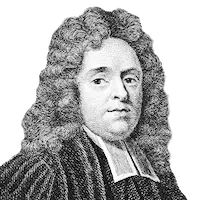
Matthew Henry Commentary
Joshua 17:14-18
SCRIPTURE
"And the children of Joseph spake unto Joshua, saying, Why hast thou given me but one lot and one part for an inheritance, seeing I am a great people, forasmuch as hitherto Jehovah hath blessed me? And Joshua said unto them, If thou be a great people, get thee up to the forest, and cut down for thyself there in the land of the Perizzites and of the Rephaim; since the hill-country of Ephraim is too narrow for thee. And the children of Joseph said, The hill-country is not enough for us: and all the Canaanites that dwell in the land of the valley have chariots of iron, both they who are in Beth-shean and its towns, and they who are in the valley of Jezreel. And Joshua spake unto the house of Joseph, even to Ephraim and to Manasseh, saying, Thou art a great people, and hast great power; thou shalt not have one lot only: but the hill-country shall be thine; for though it is a forest, thou shalt cut it down, and the goings out thereof shall be thine; for thou shalt drive out the Canaanites, though they have chariots of iron, and though they are strong." — Joshua 17:14-18 (ASV)
Joshua, as a public person, had no more regard for his own tribe than for any other, but would govern without favoritism or partiality; in this, he has left a good example for all in public trusts. Joshua tells them that what had fallen to their share would be a sufficient lot for them, if they would only work and fight. Men excuse themselves from labor by any pretense; and nothing serves this purpose better than having rich and powerful relations able to provide for them; and they are apt to desire a partial and unfaithful disposal of what is entrusted to those they think are able to give such help.
But there is more real kindness in pointing out the advantages within reach, and in encouraging men to make the best of them, than in granting indulgences to sloth and extravagance. True religion gives no support to these evils. The rule is, They shall not eat who will not work; and many of our “cannots” are only the language of idleness, which magnifies every difficulty and danger.
This is especially the case in our spiritual work and warfare. Without Christ we can do nothing, but we are apt to sit still and attempt nothing. If we belong to Him, he will stir us up to our best endeavors, and to cry to him for help. Then our coast will be enlarged (1 Chronicles 4:9–10), and complaints will be silenced, or rather, turned into joyful thanksgivings.