
Matthew Henry Commentary Judges 17
Matthew Henry Commentary
Judges 17
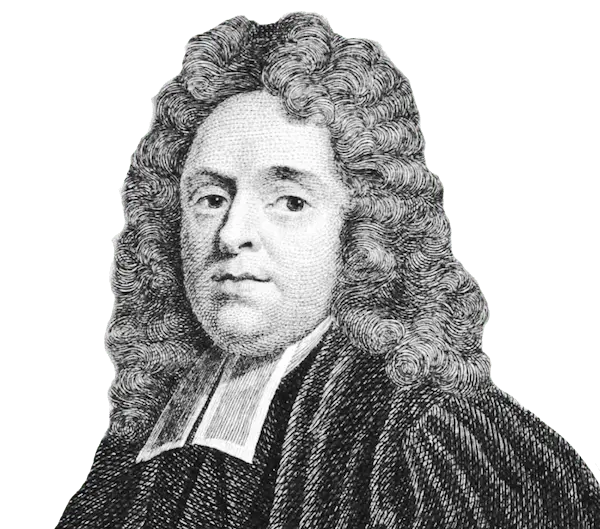
Matthew Henry Commentary
Judges 17
"And there was a man of the hill-country of Ephraim, whose name was Micah. And he said unto his mother, The eleven hundred [pieces] of silver that were taken from thee, about which thou didst utter a curse, and didst also speak it in mine ears, behold, the silver is with me; I took it. And his mother said, Blessed be my son of Jehovah. And he restored the eleven hundred [pieces] of silver to his mother; and his mother said, I verily dedicate the silver unto Jehovah from my hand for my son, to make a graven image and a molten image: now therefore I will restore it unto thee. And when he restored the money unto his mother, his mother took two hundred [pieces] of silver, and gave them to the founder, who made thereof a graven image and a molten image: and it was in the house of Micah. And the man Micah had a house of gods, and he made an ephod, and teraphim, and consecrated one of his sons, who became his priest. In those days there was no king in Israel: every man did that which was right in his own eyes." — Judges 17:1-6 (ASV)
What is related in this, and the rest of the chapters to the end of this book, was done soon after the death of Joshua: see Judges 20:28. To show how happy the nation was under the Judges, it is shown here how unhappy they were when there was no Judge.
The love of money made Micah so undutiful to his mother that he robbed her, and made her so unkind to her son that she cursed him. Outward losses drive good people to their prayers, but bad people to their curses. This woman's silver was her god before it was made into a graven or a molten image. Micah and his mother agreed to turn their money into a god and set up idol worship in their family.
See the cause of this corruption. Every man did that which was right in his own eyes, and then they soon did what was evil in the sight of the Lord.
"And there was a young man out of Beth-lehem-judah, of the family of Judah, who was a Levite; and he sojourned there. And the man departed out of the city, out of Beth-lehem-judah, to sojourn where he could find [a place], and he came to the hill-country of Ephraim to the house of Micah, as he journeyed. And Micah said unto him, Whence comest thou? And he said unto him, I am a Levite of Beth-lehem-judah, and I go to sojourn where I may find [a place]. And Micah said unto him, Dwell with me, and be unto me a father and a priest, and I will give thee ten [pieces] of silver by the year, and a suit of apparel, and thy victuals. So the Levite went in. And the Levite was content to dwell with the man; and the young man was unto him as one of his sons. And Micah consecrated the Levite, and the young man became his priest, and was in the house of Micah. Then said Micah, Now know I that Jehovah will do me good, seeing I have a Levite to my priest." — Judges 17:7-13 (ASV)
Micah thought it was a sign of God's favor to him and his images, that a Levite should come to his door. Thus, those who please themselves with their own delusions, if Providence unexpectedly brings anything to their hands that furthers them in their evil way, are therefore apt to think that God is pleased with them.
Jump to: