
Matthew Henry Commentary Leviticus 27
Matthew Henry Commentary
Leviticus 27
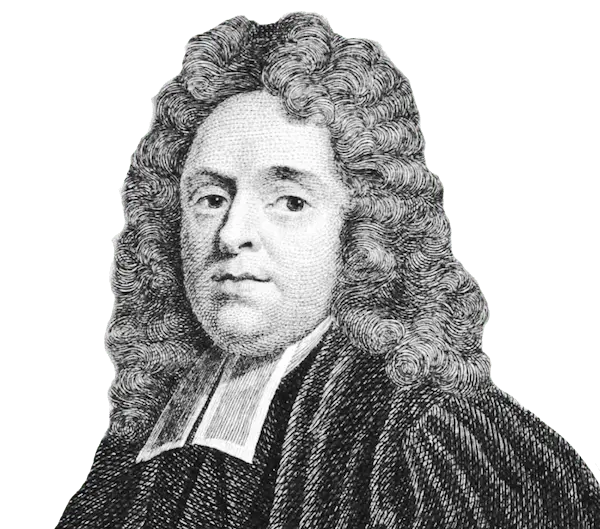
Matthew Henry Commentary
Leviticus 27
"And Jehovah spake unto Moses, saying, Speak unto the children of Israel, and say unto them, When a man shall accomplish a vow, the persons shall be for Jehovah by thy estimation. And thy estimation shall be of the male from twenty years old even unto sixty years old, even thy estimation shall be fifty shekels of silver, after the shekel of the sanctuary. And if it be a female, then thy estimation shall be thirty shekels. And if it be from five years old even unto twenty years old, then thy estimation shall be of the male twenty shekels, and for the female ten shekels. And if it be from a month old even unto five years old, then thy estimation shall be of the male five shekels of silver, and for the female thy estimation shall be three shekels of silver. And if it be from sixty years old and upward; if it be a male, then thy estimation shall be fifteen shekels, and for the female ten shekels. But if he be poorer than thy estimation, then he shall be set before the priest, and the priest shall value him; according to the ability of him that vowed shall the priest value him. And if it be a beast, whereof men offer an oblation unto Jehovah, all that any man giveth of such unto Jehovah shall be holy. He shall not alter it, nor change it, a good for a bad, or a bad for a good: and if he shall at all change beast for beast, then both it and that for which it is changed shall be holy. And if it be any unclean beast, of which they do not offer an oblation unto Jehovah, then he shall set the beast before the priest; and the priest shall value it, whether it be good or bad: as thou the priest valuest it, so shall it be. But if he will indeed redeem it, then he shall add the fifth part thereof unto thy estimation." — Leviticus 27:1-13 (ASV)
Zeal for the service of God inclined the Israelites, on some occasions, to dedicate themselves or their children to the service of the Lord, in his house for life. Some persons who thus dedicated themselves might be employed as assistants; in general, they were to be redeemed for a value.
It is good to be zealously affected and liberally disposed in the Lord's service. However, the matter should be well weighed, and prudence should direct what we do; otherwise, rash vows and hesitation in fulfilling them will dishonour God and trouble our own minds.
"And when a man shall sanctify his house to be holy unto Jehovah, then the priest shall estimate it, whether it be good or bad: as the priest shall estimate it, so shall it stand. And if he that sanctified it will redeem his house, then he shall add the fifth part of the money of thy estimation unto it, and it shall be his. And if a man shall sanctify unto Jehovah part of the field of his possession, then thy estimation shall be according to the sowing thereof: the sowing of a homer of barley [shall be valued] at fifty shekels of silver. If he sanctify his field from the year of jubilee, according to thy estimation it shall stand. But if he sanctify his field after the jubilee, then the priest shall reckon unto him the money according to the years that remain unto the year of jubilee; and an abatement shall be made from thy estimation. And if he that sanctified the field will indeed redeem it, then he shall add the fifth part of the money of thy estimation unto it, and it shall be assured to him. And if he will not redeem the field, or if he have sold the field to another man, it shall not be redeemed any more: but the field, when it goeth out in the jubilee, shall be holy unto Jehovah, as a field devoted; the possession thereof shall be the priest`s. And if he sanctify unto Jehovah a field which he hath bought, which is not of the field of his possession; then the priest shall reckon unto him the worth of thy estimation unto the year of jubilee: and he shall give thine estimation in that day, as a holy thing unto Jehovah. In the year of jubilee the field shall return unto him of whom it was bought, even to him to whom the possession of the land belongeth. And all thy estimations shall be according to the shekel of the sanctuary: twenty gerahs shall be the shekel." — Leviticus 27:14-25 (ASV)
Our houses, lands, cattle, and all our substance must be used to the glory of God. It is acceptable to him that a portion be given to support his worship, and to promote his cause. But God would not approve such a degree of zeal as ruined a man's family.
"Only the firstling among beasts, which is made a firstling to Jehovah, no man shall sanctify it; whether it be ox or sheep, it is Jehovah`s. And if it be of an unclean beast, then he shall ransom it according to thine estimation, and shall add unto it the fifth part thereof: or if it be not redeemed, then it shall be sold according to thy estimation. Notwithstanding, no devoted thing, that a man shall devote unto Jehovah of all that he hath, whether of man or beast, or of the field of his possession, shall be sold or redeemed: every devoted thing is most holy unto Jehovah. No one devoted, that shall be devoted from among men, shall be ransomed; he shall surely be put to death. And all the tithe of the land, whether of the seed of the land, or of the fruit of the tree, is Jehovah`s: it is holy unto Jehovah. And if a man will redeem aught of his tithe, he shall add unto it the fifth part thereof. And all the tithe of the herd or the flock, whatsoever passeth under the rod, the tenth shall be holy unto Jehovah. He shall not search whether it be good or bad, neither shall he change it: and if he change it at all, then both it and that for which it is changed shall be holy; it shall not be redeemed." — Leviticus 27:26-33 (ASV)
Things or persons devoted are distinguished from things or persons that were only sanctified. Devoted things were most holy to the Lord, and could neither be taken back nor applied to other purposes. Whatever productions they benefited from, God must be honoured with a tenth, if it could be applied. Thus they acknowledge God to be the Owner of their land, the Giver of its fruits, and themselves to be His tenants and dependents upon Him. Thus they gave Him thanks for the plenty they enjoyed, and sought His favour for its continuance. We are taught to honour the Lord with our substance.
"These are the commandments, which Jehovah commanded Moses for the children of Israel in mount Sinai." — Leviticus 27:34 (ASV)
The last verse seems to refer to this whole book. Many of the precepts in it are moral and always binding; others are ceremonial and unique to the Jewish nation; yet they have a spiritual meaning and so teach us, for to us, by these institutions, the gospel is preached, just as it was to them (Hebrews 4:2). The doctrine of reconciliation to God by a Mediator is not clouded with the smoke of burning sacrifice, but cleared by the knowledge of Christ and him crucified.
We are under the sweet and easy institutions of the gospel, which pronounces those who worship the Father in spirit and truth to be true worshippers, by Christ alone, and in His name. Yet, let us not think, because we are not bound by the ceremonial rites and offerings, that a little care, time, and expense will serve to honor God. Having boldness to enter into the holiest by the blood of Jesus, let us draw near with a true heart and in full assurance of faith, worshipping God with more cheerfulness and humble confidence, still saying, BLESSED BE GOD FOR JESUS CHRIST.
Jump to: