
Matthew Henry Commentary Matthew 6:9-15
Matthew Henry Commentary
Matthew 6:9-15
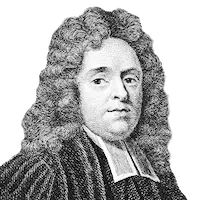
Matthew Henry Commentary
Matthew 6:9-15
SCRIPTURE
"After this manner therefore pray ye. Our Father who art in heaven, Hallowed be thy name. Thy kingdom come. Thy will be done, as in heaven, so on earth. Give us this day our daily bread. And forgive us our debts, as we also have forgiven our debtors. And bring us not into temptation, but deliver us from the evil [one.] For if ye forgive men their trespasses, your heavenly Father will also forgive you. But if ye forgive not men their trespasses, neither will your Father forgive your trespasses." — Matthew 6:9-15 (ASV)
Christ saw it necessary to show His disciples what must commonly be the subject and method of their prayer. Not that we are restricted to the use of this only, or of this always; yet, without doubt, it is very good to use it. It contains much in a little, and it is used acceptably only insofar as it is used with understanding and without being needlessly repeated. The petitions are six: the first three relate more expressly to God and His honor, the last three to our own concerns, both temporal and spiritual.
This prayer teaches us to seek first the kingdom of God and His righteousness, and that all other things will be added. After the things of God's glory, kingdom, and will, we pray for the necessary supports and comforts of this present life. Every word here has a lesson in it. We ask for bread; that teaches us sobriety and temperance: and we ask only for bread, not for what we do not need.
We ask for our bread; that teaches us honesty and industry: we do not ask for the bread of others, nor the bread of deceit (Proverbs 20:17); nor the bread of idleness (Proverbs 31:27), but the bread honestly gotten. We ask for our daily bread, which teaches us constantly to depend upon Divine Providence. We beg of God to give it to us, not sell it to us, nor lend it to us, but give it.
The greatest of men must be indebted to the mercy of God for their daily bread. We pray, Give it to us. This teaches us compassion for the poor and also that we ought to pray with our families. We pray that God would give it to us this day; which teaches us to renew the desires of our souls toward God, as the wants of our bodies are renewed.
As the day comes, we must pray to our heavenly Father, and consider that we could as well go a day without food as without prayer. We are taught to hate and dread sin while we hope for mercy, to distrust ourselves, to rely on the providence and grace of God to keep us from it, to be prepared to resist the tempter, and not to become tempters of others. Here is a promise: If you forgive, your heavenly Father will also forgive.
We must forgive, as we hope to be forgiven. Those who desire to find mercy with God must show mercy to their fellow believers. Christ came into the world as the great Peacemaker, not only to reconcile us to God but also to one another.