
Matthew Henry Commentary Numbers 11:24-30
Matthew Henry Commentary
Numbers 11:24-30
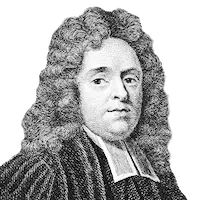
Matthew Henry Commentary
Numbers 11:24-30
SCRIPTURE
"And Moses went out, and told the people the words of Jehovah: and he gathered seventy men of the elders of the people, and set them round about the Tent. And Jehovah came down in the cloud, and spake unto him, and took of the Spirit that was upon him, and put it upon the seventy elders: and it came to pass, that, when the Spirit rested upon them, they prophesied, but they did so no more. But there remained two men in the camp, the name of the one was Eldad, and the name of the other Medad: and the Spirit rested upon them; and they were of them that were written, but had not gone out unto the Tent; and they prophesied in the camp. And there ran a young man, and told Moses, and said, Eldad and Medad do prophesy in the camp. And Joshua the son of Nun, the minister of Moses, one of his chosen men, answered and said, My lord Moses, forbid them. And Moses said unto him, Art thou jealous for my sake? would that all Jehovah`s people were prophets, that Jehovah would put his Spirit upon them! And Moses gat him into the camp, he and the elders of Israel." — Numbers 11:24-30 (ASV)
We have here the fulfillment of God's word to Moses, that he should have help in the government of Israel. He gave His Spirit to the seventy elders. They spoke to the people about the things of God, so that all who heard them might say that God was truly with them. Two of the elders, Eldad and Medad, did not go out to the tabernacle as the others did, being aware of their own weakness and unworthiness.
But the Spirit of God found them in the camp, and there they exercised their gift of praying, preaching, and praising God; they spoke as moved by the Holy Ghost. The Spirit of God is not confined to the tabernacle, but, like the wind, blows where He listeth. And those who humble themselves shall be exalted; and those who are most fit for government are least ambitious of it. Joshua does not desire that they should be punished, but only restrained for the future.
He made this motion out of zeal for what he thought to be the unity of the church. He would have them silenced, lest they should cause a schism, or should rival Moses; but Moses was not afraid of any such effects from that Spirit which God had put upon them. Shall we reject those whom Christ has owned, or restrain any from doing good, because they do not agree with us in everything?
Moses wishes that all the Lord's people were prophets, that the Lord would put His Spirit upon all of them. Let the testimony of Moses be believed by those who desire to be in power—namely, that government is a burden. It is a burden of care and trouble to those who are conscientious in fulfilling its duty; and to those who do not, it will prove a heavier burden on the day of account.
Let the example of Moses be followed by those in power; let them not despise the advice and assistance of others, but desire it, and be thankful for it. If all the present number of the Lord's people were made prophets, or ministers, by the Spirit of Christ, though not all might agree on outward matters, there is work enough for all, in calling sinners to repentance, and faith in our Lord Jesus.