
Matthew Henry Commentary Philippians 3:1-11
Matthew Henry Commentary
Philippians 3:1-11
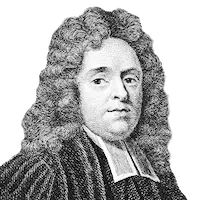
Matthew Henry Commentary
Philippians 3:1-11
SCRIPTURE
"Finally, my brethren, rejoice in the Lord. To write the same things to you, to me indeed is not irksome, but for you it is safe. Beware of the dogs, beware of the evil workers, beware of the concision: for we are the circumcision, who worship by the Spirit of God, and glory in Christ Jesus, and have no confidence in the flesh: though I myself might have confidence even in the flesh: if any other man thinketh to have confidence in the flesh, I yet more: circumcised the eighth day, of the stock of Israel, of the tribe of Benjamin, a Hebrew of Hebrews; as touching the law, a Pharisee; as touching zeal, persecuting the church; as touching the righteousness which is in the law, found blameless. Howbeit what things were gain to me, these have I counted loss for Christ. Yea verily, and I count all things to be loss for the excellency of the knowledge of Christ Jesus my Lord: for whom I suffered the loss of all things, and do count them but refuse, that I may gain Christ, and be found in him, not having a righteousness of mine own, [even] that which is of the law, but that which is through faith in Christ, the righteousness which is from God by faith: that I may know him, and the power of his resurrection, and the fellowship of his sufferings, becoming conformed unto his death; if by any means I may attain unto the resurrection from the dead." — Philippians 3:1-11 (ASV)
Sincere Christians rejoice in Christ Jesus. The prophet calls the false prophets dumb dogs (Isaiah 56:10); the apostle seems to refer to this. Dogs, for their malice against faithful professors of the gospel of Christ, barking at them and biting them. They urged human works in opposition to the faith of Christ, but Paul calls them evil-workers. He calls them the concision; as they tore the church of Christ and cut it to pieces.
The work of religion is to no purpose unless the heart is in it, and we must worship God in the strength and grace of the Divine Spirit. They rejoice in Christ Jesus, not in mere outward enjoyments and performances. Nor can we too earnestly guard against those who oppose or abuse the doctrine of free salvation. If the apostle had wished to glory and trust in the flesh, he had as much reason as any man.
But the things which he counted as gain while a Pharisee, and had listed, those he counted as loss for Christ. The apostle did not persuade them to do anything but what he himself did, or to venture on anything but that on which he himself ventured his never-dying soul. He deemed all these things to be but loss when compared with the knowledge of Christ, by faith in His person and salvation. He speaks of all worldly enjoyments and outward privileges that sought a place with Christ in his heart, or could pretend to any merit, and counted them but loss. But it might be said, "It is easy to say so; but what would he do when he came to the trial?"
He had suffered the loss of all for the privileges of a Christian. Indeed, he not only counted them loss, but the vilest refuse, offal thrown to dogs—not only less valuable than Christ, but in the highest degree contemptible when set up against Him. True knowledge of Christ alters and changes people, their judgments and conduct, and makes them as if made anew. The believer prefers Christ, knowing that it is better for us to be without all worldly riches than without Christ and His word.
Let us see what the apostle resolved to cling to: Christ and heaven. We are undone without a righteousness in which to appear before God, for we are guilty. There is a righteousness provided for us in Jesus Christ, and it is a complete and perfect righteousness. No one who trusts in themselves can benefit from it.
Faith is the appointed means of applying the saving benefit. It is by faith in Christ's blood. We are made conformable to Christ's death when we die to sin, as He died for sin; and the world is crucified to us, and we to the world, by the cross of Christ. The apostle was willing to do or to suffer anything to attain the glorious resurrection of saints. This hope and prospect carried him through all difficulties in his work.
He did not hope to attain it through his own merit and righteousness, but through the merit and righteousness of Jesus Christ (Philippians 3:12–21).