
Matthew Henry Commentary Proverbs 5:1-14
Matthew Henry Commentary
Proverbs 5:1-14
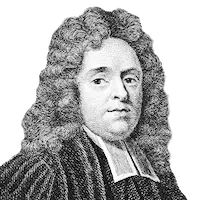
Matthew Henry Commentary
Proverbs 5:1-14
SCRIPTURE
"My son, attend unto my wisdom; Incline thine ear to my understanding: That thou mayest preserve discretion, And that thy lips may keep knowledge. For the lips of a strange woman drop honey, And her mouth is smoother than oil: But in the end she is bitter as wormwood, Sharp as a two-edged sword. Her feet go down to death; Her steps take hold on Sheol; So that she findeth not the level path of life: Her ways are unstable, [and] she knoweth [it] not. Now therefore, [my] sons, hearken unto me, And depart not from the words of my mouth. Remove thy way far from her, And come not nigh the door of her house; Lest thou give thine honor unto others, And thy years unto the cruel; Lest strangers be filled with thy strength, And thy labors [be] in the house of an alien, And thou mourn at thy latter end, When thy flesh and thy body are consumed, And say, How have I hated instruction, And my heart despised reproof; Neither have I obeyed the voice of my teachers, Nor inclined mine ear to them that instructed me! I was well-nigh in all evil In the midst of the assembly and congregation." — Proverbs 5:1-14 (ASV)
Solomon cautions all young men, as his children, to abstain from fleshly lusts. Some interpret "the adulterous woman" mentioned here as idolatry or false doctrine, which tends to lead astray people's minds and conduct; but the direct view is to warn against sins related to the seventh commandment. Often these sins have been, and still are, Satan's method of drawing people away from the worship of God and into false religion. Consider how fatal the consequences are, and how bitter the fruit!
In any case, this sin wounds. It leads to the torments of hell. The direct tendency of this sin is the destruction of both body and soul. We must carefully avoid everything that might be a step toward it. Those who want to be kept from harm must keep out of harm's way.
If we thrust ourselves into temptation, we mock God when we pray, Lead us not into temptation. How many destructive consequences accompany this sin! It blasts the reputation, wastes time, ruins the estate, is destructive to health, and will fill the mind with horror. Though you are merry now, yet sooner or later it will bring sorrow.
The convicted sinner reproaches himself and makes no excuse for his folly. Through frequent acts of sin, its habits become rooted and confirmed. By a miracle of mercy, true repentance may prevent the dreadful consequences of such sins; but this is not often so; far more die as they have lived. What can express the plight of the self-ruined sinner in the eternal world, enduring the remorse of his conscience!