
Matthew Henry Commentary Psalms 15
Matthew Henry Commentary
Psalms 15
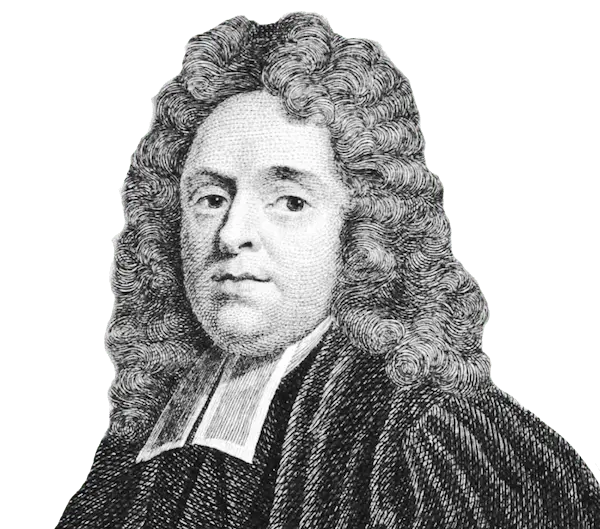
Matthew Henry Commentary
Psalms 15
"Jehovah, who shall sojourn in thy tabernacle? Who shall dwell in thy holy hill? He that walketh uprightly, and worketh righteousness, And speaketh truth in his heart; He that slandereth not with his tongue, Nor doeth evil to his friend, Nor taketh up a reproach against his neighbor; In whose eyes a reprobate is despised, But who honoreth them that fear Jehovah; He that sweareth to his own hurt, and changeth not; He that putteth not out his money to interest, Nor taketh reward against the innocent. He that doeth these things shall never be moved. " — Psalms 15:1-5 (ASV)
Here is a very serious question concerning the character of a citizen of Zion. It is the happiness of glorified saints that they dwell in the holy hill; they are at home there and will be there forever. It concerns us to make sure for ourselves that we have a place among them. A very plain and particular answer is given here.
Those who desire to know their duty will find the Scripture a very faithful director, and conscience a faithful monitor. A citizen of Zion is sincere in his religion. He is really what he professes to be and endeavors to stand complete in all the will of God. He is just both to God and man; and in speaking to both, speaks the truth in his heart.
He scorns and abhors wrong and fraud; he cannot reckon that a good bargain, nor a profitable one, which is made with a lie; and knows that he who wrongs his neighbor will prove, in the end, to have most injured himself. He is very careful to do no harm to anyone. He speaks evil of no one, does not make others' faults the subject of his common talk; he makes the best of everybody, and the worst of nobody.
If an ill-natured story is told to him, he will disprove it if he can; if not, it goes no further. He values people by their virtue and piety. Wicked people are vile people, worthless, and good for nothing; so the word signifies. He does not think less of anyone's piety because of their poverty and humble condition. He considers that serious piety brings more honor to a person than wealth or a great name.
He honors such people, desires their fellowship and an interest in their prayers, is glad to show them respect or do them a kindness. By this we may judge ourselves in some measure. Even wise and good men may swear to their own hurt; but see how strong the obligation is: a man must rather suffer loss to himself and his family than wrong his neighbor. He will not increase his estate by extortion or by bribery.
He will not, for any gain or hope of it to himself, do anything to hurt a righteous cause. Every true living member of the church, like the church itself, is built upon a Rock. He that does these things will not be moved forever. The grace of God will always be sufficient for him.
The union of these dispositions and this conduct can only spring from repentance for sin, faith in the Savior, and love to him. In these respects let us examine and test ourselves.
Jump to: