
Matthew Henry Commentary Romans 5
Matthew Henry Commentary
Romans 5
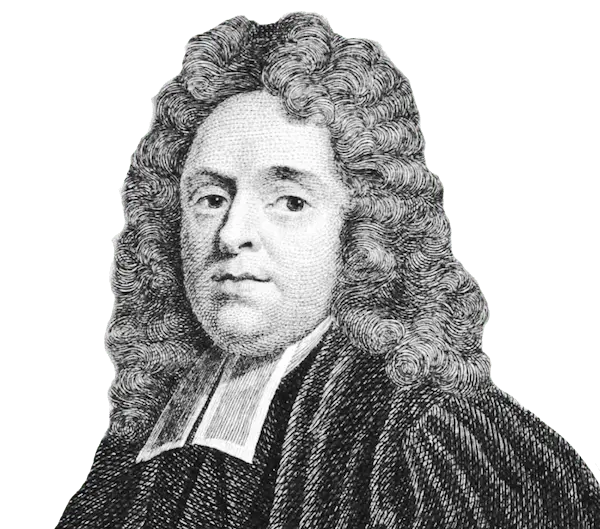
Matthew Henry Commentary
Romans 5
"Being therefore justified by faith, we have peace with God through our Lord Jesus Christ; through whom also we have had our access by faith into this grace wherein we stand; and we rejoice in hope of the glory of God. And not only so, but we also rejoice in our tribulations: knowing that tribulation worketh stedfastness; and stedfastness, approvedness; and approvedness, hope: and hope putteth not to shame; because the love of God hath been shed abroad in our hearts through the Holy Spirit which was given unto us." — Romans 5:1-5 (ASV)
A blessed change takes place in the sinner's state when he becomes a true believer, whatever he has been. Being justified by faith, he has peace with God. The holy, righteous God cannot be at peace with a sinner while under the guilt of sin. Justification takes away the guilt and so makes way for peace.
This is through our Lord Jesus Christ; through Him as the great Peacemaker, the Mediator between God and man. The saints' happy state is a state of grace. We are brought into this grace, which teaches that we were not born in this state. We could not have gotten into it by ourselves but are led into it as pardoned offenders.
In this grace we stand, a posture that denotes perseverance; we stand firm and safe, upheld by the power of God. And those who have hope for the glory of God hereafter have enough to rejoice in now. Tribulation worketh patience, not in and of itself, but through the powerful grace of God working in and with the tribulation. Patient sufferers receive most of the divine consolations, which abound as afflictions abound.
Patience works necessary experience in us. This hope will not disappoint, because it is sealed with the Holy Spirit as a Spirit of love. It is the gracious work of the blessed Spirit to shed abroad the love of God in the hearts of all the saints. A right sense of God's love for us will make us not ashamed either of our hope or of our sufferings for Him.
"For while we were yet weak, in due season Christ died for the ungodly. For scarcely for a righteous man will one die: for peradventure for the good man some one would even dare to die. But God commendeth his own love toward us, in that, while we were yet sinners, Christ died for us. Much more then, being now justified by his blood, shall we be saved from the wrath [of God] through him. For if, while we were enemies, we were reconciled to God through the death of his Son, much more, being reconciled, shall we be saved by his life; and not only so, but we also rejoice in God through our Lord Jesus Christ, through whom we have now received the reconciliation." — Romans 5:6-11 (ASV)
Christ died for sinners—not only for those who were useless, but for those who were guilty and hateful, such that their everlasting destruction would be to the glory of God's justice. Christ died to save us, not in our sins, but from our sins; and we were still sinners when He died for us. Indeed, the carnal mind is not only an enemy to God, but enmity itself (Romans 8:7; Colossians 1:21). But God designed to deliver us from sin and to bring about a great change.
While the sinful state continues, God loathes the sinner, and the sinner loathes God (Zechariah 11:8). That Christ should die for such as these is a mystery; no other such instance of love is known, so that adoring and wondering at it may well be the employment of eternity. Again, what idea did the apostle have when he supposed the case of someone dying for a righteous man? And yet he only presented it as a mere possibility.
Was not the purpose of His undergoing this suffering so that the person intended to be benefited might be released from it? But from what are believers in Christ released by His death? Not from bodily death, for that they all do and must endure. The evil from which deliverance could be accomplished only in this astonishing manner must be more dreadful than natural death.
There is no evil to which the argument can be applied, except that which the apostle actually affirms: sin, and wrath, the punishment of sin, determined by the unerring justice of God.
And if, by divine grace, they were thus brought to repent and to believe in Christ, and thus were justified by the price of His bloodshedding and by faith in that atonement, much more, through Him who died for them and rose again, would they be kept from falling under the power of sin and Satan, or from departing finally from Him.
The living Lord of all will complete the purpose of His dying love by saving all true believers to the uttermost.
Having such a pledge of salvation in the love of God through Christ, the apostle declared that believers not only rejoiced in the hope of heaven, and even in their tribulations for Christ's sake, but they also gloried in God as their unchangeable Friend and all-sufficient Portion, through Christ only.
"Therefore, as through one man sin entered into the world, and death through sin; and so death passed unto all men, for that all sinned:-- for until the law sin was in the world; but sin is not imputed when there is no law. Nevertheless death reigned from Adam until Moses, even over them that had not sinned after the likeness of Adam`s transgression, who is a figure of him that was to come." — Romans 5:12-14 (ASV)
The design of what follows is plain. It is to exalt our views respecting the blessings Christ has procured for us, by comparing them with the evil that followed the fall of our first father, and by showing that these blessings not only extend to the removal of these evils, but far beyond. When Adam sinned, his nature became guilty and corrupted, and this corruption was passed on to his children.
Thus, in him all have sinned. And death comes through sin, for death is the wages of sin. Then all the misery that is the just punishment for sin entered: temporal, spiritual, and eternal death. If Adam had not sinned, he would not have died. But a sentence of death was passed, as on a criminal; it passed through all people like an infectious disease that no one escapes.
As proof of our union with Adam and our share in his first transgression, observe that sin prevailed in the world for many ages before the law was given by Moses. And death reigned during that long period, not only over adults who willfully sinned, but also over multitudes of infants. This shows that they had fallen in Adam under condemnation and that Adam's sin extended to all his posterity. He was a figure or type of Him who was to come as Surety of a new covenant, for all who are related to Him.
"But not as the trespass, so also [is] the free gift. For if by the trespass of the one the many died, much more did the grace of God, and the gift by the grace of the one man, Jesus Christ, abound unto the many. And not as through one that sinned, [so] is the gift: for the judgment [came] of one unto condemnation, but the free gift [came] of many trespasses unto justification. For if, by the trespass of the one, death reigned through the one; much more shall they that receive the abundance of grace and of the gift of righteousness reign in life through the one, [even] Jesus Christ. So then as through one trespass [the judgment came] unto all men to condemnation; even so through one act of righteousness [the free gift came] unto all men to justification of life. For as through the one man`s disobedience the many were made sinners, even so through the obedience of the one shall the many be made righteous." — Romans 5:15-19 (ASV)
Through one man's offense, all people are exposed to eternal condemnation. But the grace and mercy of God, and the free gift of righteousness and salvation, are through Jesus Christ, as man. Yet the Lord from heaven has brought the multitude of believers into a safer and more exalted state than that from which they fell in Adam.
This free gift did not place them again in a state of trial, but fixed them in a state of justification, as Adam would have been placed, had he stood.
Despite the differences, there is a striking similarity. As by the offense of one, sin and death prevailed to the condemnation of all people, so by the righteousness of one, grace prevailed to the justification of all who are related to Christ by faith. Through the grace of God, the gift by grace has abounded to many through Christ; yet multitudes choose to remain under the dominion of sin and death, rather than to seek the blessings of the reign of grace.
But Christ will in no way cast out any who are willing to come to him.
"And the law came in besides, that the trespass might abound; but where sin abounded, grace did abound more exceedingly: that, as sin reigned in death, even so might grace reign through righteousness unto eternal life through Jesus Christ our Lord." — Romans 5:20-21 (ASV)
By Christ and His righteousness, we have more and greater privileges than we lost by the offense of Adam. The moral law showed that many thoughts, dispositions, words, and actions were sinful; thus, transgressions were multiplied. The law did not make sin abound more, but rather revealed its sinfulness, just as letting a clearer light into a room reveals the dust and filth that were there before but were not seen.
The sin of Adam, and the effect of corruption in us, are the abounding offense that became apparent with the introduction of the law. And the terrors of the law make the comforts of the gospel all the sweeter. Thus, God the Holy Spirit, through the blessed apostle, has delivered to us a most important truth, full of consolation and suited to our needs as sinners.
Whatever advantages one person may have over another, everyone is a sinner against God, stands condemned by the law, and needs pardon. A righteousness that justifies cannot consist of a mixture of sin and holiness. There can be no title to an eternal reward without a pure and spotless righteousness: let us look for it, indeed, to the righteousness of Christ.
Jump to: