
Matthew Henry Commentary Titus 1
Matthew Henry Commentary
Titus 1
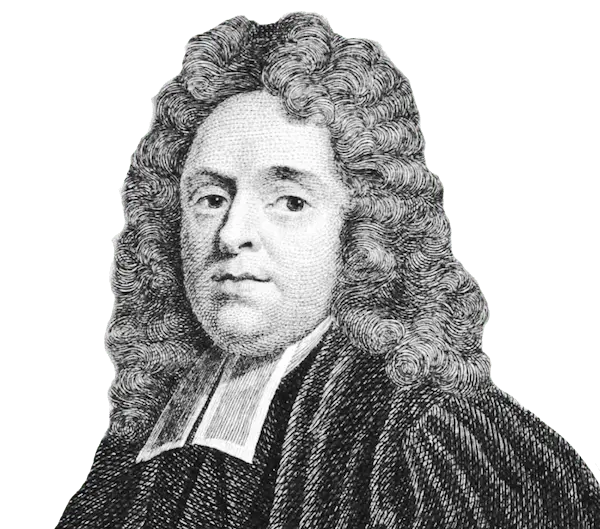
Matthew Henry Commentary
Titus 1
"Paul, a servant of God, and an apostle of Jesus Christ, according to the faith of God`s elect, and the knowledge of the truth which is according to godliness, in hope of eternal life, which God, who cannot lie, promised before times eternal; but in his own seasons manifested his word in the message, wherewith I was intrusted according to the commandment of God our Saviour; to Titus, my true child after a common faith: Grace and peace from God the Father and Christ Jesus our Saviour." — Titus 1:1-4 (ASV)
All are the servants of God who are not slaves of sin and Satan. All gospel truth is according to godliness, teaching the fear of God. The intent of the gospel is to cultivate hope as well as faith; to turn the mind and heart from the world, and to raise them to heaven and the things above.
How excellent then is the gospel, which was the subject of Divine promise so early, and what thanks are due for our privileges! Faith comes by hearing, and hearing by the word of God; and whoever is appointed and called must preach the word. Grace is the free favour of God, and acceptance with him.
Mercy—the fruits of that favour—is manifested in the pardon of sin and freedom from all miseries, both in this life and in the life to come. And peace is the effect and fruit of mercy. Peace with God through Christ, who is our Peace, and with all creation and ourselves.
Grace is the fountain of all blessings. Mercy, and peace, and all good, spring from this.
"For this cause left I thee in Crete, that thou shouldest set in order the things that were wanting, and appoint elders in every city, as I gave thee charge; if any man is blameless, the husband of one wife, having children that believe, who are not accused of riot or unruly. For the bishop must be blameless, as God`s steward; not self-willed, not soon angry, no brawler, no striker, not greedy of filthy lucre; but given to hospitality, as lover of good, sober-minded, just, holy, self-controlled; holding to the faithful word which is according to the teaching, that he may be able to exhort in the sound doctrine, and to convict the gainsayers." — Titus 1:5-9 (ASV)
The character and qualification of pastors, here called elders and bishops, agree with what the apostle wrote to Timothy. Being such bishops and overseers of the flock, to be examples to them, and God's stewards to take care of the affairs of His household, there is great reason that they should be blameless. What they are not to be is plainly shown, as well as what they are to be, as servants of Christ and able ministers of the letter and practice of the gospel. And here are described the spirit and practice fitting for those who should be examples of good works.
"For there are many unruly men, vain talkers and deceivers, specially they of the circumcision, whose mouths must be stopped; men who overthrow whole houses, teaching things which they ought not, for filthy lucre`s sake. One of themselves, a prophet of their own, said, Cretans are always liars, evil beasts, idle gluttons. This testimony is true. For which cause reprove them sharply, that they may be sound in the faith, not giving heed to Jewish fables, and commandments of men who turn away from the truth. To the pure all things are pure: but to them that are defiled and unbelieving nothing is pure; but both their mind and their conscience are defiled. They profess that they know God; but by their works they deny him, being abominable, and disobedient, and unto every good work reprobate." — Titus 1:10-16 (ASV)
False teachers are described. Faithful ministers must oppose them promptly, so that, their folly being exposed, they may not proceed further. They had a corrupt motive in what they did, serving a worldly interest under the pretense of religion; for the love of money is the root of all evil. Such individuals should be resisted and put to shame by sound doctrine from the Scriptures.
Shameful actions, a disgrace even among unbelievers, should be entirely absent from Christians. Falsehood and lying, envious craft and cruelty, brutal and sensual practices, and idleness and sloth are sins condemned even by the light of nature. But Christian meekness is as far from cowardly overlooking sin and error as it is from anger and impatience. And though there may be national differences of character, yet the heart of man in every age and place is deceitful and desperately wicked.
But the sharpest rebukes must aim for the good of those being rebuked; and soundness in the faith is most desirable and necessary. To those who are defiled and unbelieving, nothing is pure; they abuse and turn lawful and good things into sin. Many profess to know God, yet in their lives deny and reject him.
Consider the miserable state of hypocrites, those who have a form of godliness but are without its power. Yet, let us not be so quick to accuse others of this, but rather be careful that it does not apply to ourselves.
Jump to: