
Good Trees, Good Fruit: The Transformation of the Heart
Augustine of Hippo Sermon
Good Trees, Good Fruit: The Transformation of the Heart
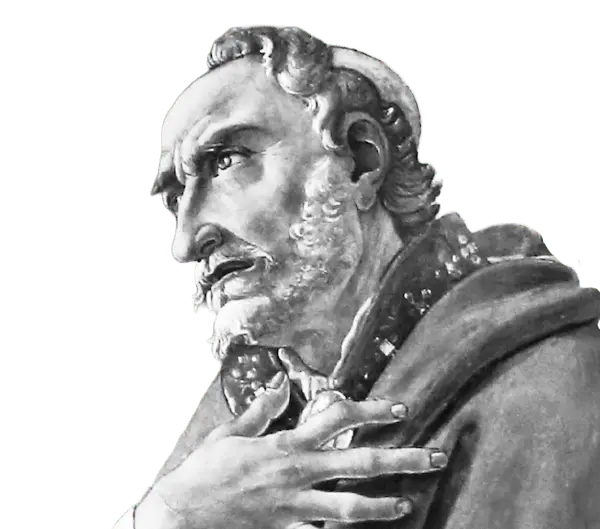
Augustine of Hippo Sermon
Good Trees, Good Fruit: The Transformation of the Heart
The Nature of True Goodness
1. The Lord Jesus has instructed us to be good trees so that we may be able to bear good fruit. He says, "Either make the tree good and its fruit good, or else make the tree bad and its fruit bad, for a tree is known by its fruit" (Matthew 12:33). When He says, "Make the tree good and its fruit good," this is not merely a suggestion but a wholesome command that requires our obedience. But when He says, "Make the tree bad and its fruit bad," this is not a command for you to do so, but a warning to beware of it.
He was speaking against those who thought they could speak good things or do good works despite being evil themselves. The Lord Jesus says this is impossible. The person must first be changed for their works to change. If someone remains in an evil state, they cannot have good works; if they remain in a good state, they cannot have evil works.
2. But who did the Lord find to be good, since "Christ died for the ungodly" (Romans 5:6)? He found everyone to be corrupt trees, but to those who "believed in His name, He gave the right to become children of God" (John 1:12). Anyone who is now a good person—that is, a good tree—was once found corrupt but was made good.
If when Christ came He had chosen to uproot the corrupt trees, what tree would have remained that didn't deserve to be uprooted? But He came first to show mercy, so that He might later exercise judgment, as the psalm says, "I will sing of mercy and justice" (Psalm 101:1). He gave forgiveness of sins to those who believed in Him; He didn't even count their past sins against them. He gave forgiveness of sins, He made them good trees. He delayed the axe; He gave them security.
3. John the Baptist speaks of this axe, saying, "Even now the axe is laid to the root of the trees. Therefore every tree which does not bear good fruit is cut down and thrown into the fire" (Matthew 3:10). The householder in the Gospel threatens with this same axe when he says, "Look, for three years I have come seeking fruit on this fig tree and find none. Cut it down; why does it use up the ground?" But the vinedresser intercedes, saying, "Sir, let it alone this year also, until I dig around it and fertilize it. And if it bears fruit, well. But if not, after that you can cut it down" (Luke 13:7-9).
So the Lord has visited humanity three times, that is, at three distinct periods. The first was before the Law; the second was under the Law; the third is now, which is the time of grace. If He didn't visit mankind before the Law, where did Abel, Enoch, Noah, Abraham, Isaac, and Jacob come from? He was pleased to be called their Lord. And though all nations belonged to Him, He said, as if He were the God of only three men, "I am the God of Abraham, Isaac, and Jacob" (Exodus 3:6).
If He didn't visit humanity under the Law, He wouldn't have given the Law itself. After the Law came the Master of the house Himself. He suffered, died, and rose again. He gave the Holy Spirit and had the Gospel preached throughout the world. Yet a certain tree remained unfruitful. There is still a portion of humanity that hasn't changed its ways.
The vinedresser intercedes; the Apostle prays for the people: "I bow my knees to the Father for you, that you, being rooted and grounded in love, may be able to comprehend with all the saints what is the width and length and depth and height—to know the love of Christ which passes knowledge; that you may be filled with all the fullness of God" (Ephesians 3:14, 17-19). By bowing his knees, he intercedes with the Master of the house for us, that we not be uprooted.
Therefore, since the Master must necessarily come, let's make sure He finds us fruitful. The digging around the tree represents the humility of the penitent. Every ditch is low. The fertilizing of it symbolizes the filthy garment of repentance. What is more filthy than manure? Yet if used properly, what is more productive?
4. Let each person then be a good tree. Let no one imagine they can bear good fruit while remaining a corrupt tree. There will be no good fruit except from a good tree. Change the heart, and the work will be changed. Uproot greed, plant love. "For the love of money is a root of all kinds of evil" (1 Timothy 6:10), just as love is the root of all good.
Why then do people argue with one another, asking, "What is good?" If only you knew what good is! What you wish to have isn't truly good. What is good is what you don't wish to be. You want physical health—it's good, indeed. But you shouldn't consider it any great good when even wicked people have it.
You want to have gold and silver. I grant these are also good things, but only if you use them well. And you won't use them well if you yourself are evil. Hence, gold and silver are evil for evil people but good for good people—not because gold and silver make them good, but because they find them already good and turn them to good use.
Again, you want to have honor. It's good, but only if you use it well. How many people has honor destroyed! And how many has honor helped to do good works!
5. Let us then, if we can, distinguish between these types of goods. We're talking about good trees. Here there's nothing that each person should consider more important than turning their eyes upon themselves—to learn about themselves, examine themselves, inspect themselves, search within themselves, and find themselves. They should kill what is displeasing to God and desire and cultivate what pleases Him.
When someone finds themselves so empty of better goods, why are they greedy for external goods? What profit is there in having a full money chest but an empty conscience? You want to have good things—don't you want to be good yourself? Shouldn't you blush at your good things if your house is full of them while you, its owner, are evil?
Tell me, what would you wish to have that is bad? Nothing, I'm certain—not a wife, nor a son, nor a daughter, nor a servant, nor an estate, nor a coat, not even a shoe—yet you're willing to have a bad life. I urge you to value your way of life more than your shoes.
All the elegant and beautiful things around you are highly prized by you. Yet you esteem yourself so lightly and find yourself so devoid of beauty? If the good things filling your house, which you've longed to possess and feared to lose, could speak to you, wouldn't they cry out: "As you wish us to be good, we also wish to have a good owner"? And now they silently address your Lord against you: "Look! You've given this person so many good things, yet they themselves are evil. What benefit are these possessions when they don't have the One who gave everything!"
6. Someone who has been warned and perhaps moved to regret by these words might ask what is good. What is the nature of good? Where does it come from? You've done well to understand that this is something you should ask. I'll answer your questions and say, "Good is what you cannot lose against your will."
You can lose gold against your will, and the same with a house, honors, and even bodily health. But the good that makes you truly good—you neither receive it against your will nor lose it against your will.
So what is the nature of this good? One of the Psalms teaches us something important, perhaps exactly what we're seeking. It says, "O sons of men, how long will you be heavy-hearted?" (Psalm 4:2). How long will that tree remain fruitless for three years? "O sons of men, how long will you be heavy-hearted?" What does "heavy-hearted" mean? "Why do you love worthlessness and seek after falsehood?" (Psalm 4:2).
Then it tells us what we should really seek: "Know that the Lord has set apart His holy one for Himself" (Psalm 4:3). Christ has now come, He has been glorified, He has risen again and ascended into heaven. Now His name is preached throughout the world. "How long will you be heavy-hearted?" Let the past times be enough. Now that the Holy One has been glorified, "how long will you be heavy-hearted?"
After the three years, what remains but the axe? "How long will you be heavy-hearted? Why do you love worthlessness and seek after falsehood?" Vain, useless, frivolous, fleeting things are still sought after, even though Christ the Holy One has been so glorified! Truth is now crying aloud, yet people still pursue emptiness. "How long will you be heavy-hearted?"
7. With good reason is this world severely disciplined, for the world has now heard its Master's words. "And that servant who knew his master's will, and did not prepare himself or do according to his will, shall be beaten with many stripes. But he who did not know, yet committed things deserving of stripes, shall be beaten with few" (Luke 12:47-48). Why? So that he might seek his Master's will.
The servant who didn't know his Master's will—this was the world before "He set apart His holy one." It was "the servant who did not know his master's will," and therefore "shall be beaten with few stripes." But the servant who now knows his Master's will—that is, the world now, since God "has set apart His holy one" —and "does not do according to His will, shall be beaten with many stripes."
Why be surprised, then, if the world is now severely disciplined? "It is the servant who knew his Master's will and did things deserving of stripes." Let him not refuse to be beaten with many stripes. If in unrighteousness he will not hear his teacher, in righteousness he must feel his judge.
At least, let him not complain against the One who disciplines him, when he sees that he deserves discipline. Then he may obtain mercy through Christ our Lord, who lives and reigns with God the Father and the Holy Spirit, forever and ever. Amen.