
The Sinful Woman and the Forgiveness of Sins
Augustine of Hippo Sermon
The Sinful Woman and the Forgiveness of Sins
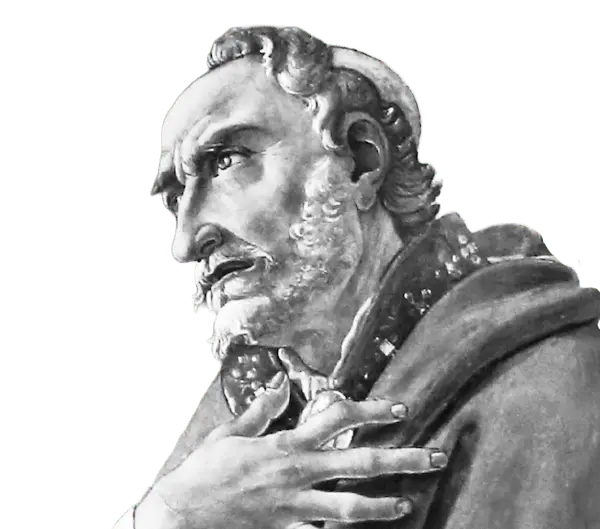
Augustine of Hippo Sermon
The Sinful Woman and the Forgiveness of Sins
True Repentance and Divine Forgiveness
1. Since I believe it is God's will that I should speak to you about the topic suggested by today's Scripture reading, I will, with His help, deliver to you, beloved, a sermon on the forgiveness of sins. When the Gospel was being read, you listened with great attention to the story that was reported and visualized before the eyes of your heart. For you saw, not with your physical eyes but with your mind, the Lord Jesus Christ sitting at the Pharisee's table, not refusing the invitation to dine with him.
You also saw a woman famous in the city—famous indeed for her bad reputation—who was a sinner. Without being invited, she made her way into the feast where her Physician was dining, and with a holy boldness sought healing. She forced her way in, seemingly inappropriate for the occasion but perfectly appropriate for the blessing she sought. She knew well how severe her illness was, and she knew that the One she approached could make her whole.
She approached, not to the head of the Lord, but to His feet. She who had long walked in evil now sought the path of righteousness. First, she shed tears—the heart's blood—and washed the Lord's feet with her confession. She dried them with her hair, kissed them, and anointed them. She spoke through her silence; she said not a word, but she showed her devotion.
2. Now, because she touched the Lord—washing, kissing, and anointing His feet—the Pharisee who had invited the Lord Jesus Christ, being the kind of proud man of whom the prophet Isaiah says, "Who say, 'Keep to yourself, do not come near me, for I am too holy for you'" (Isaiah 65:5), thought that the Lord didn't know who the woman was.
The Pharisee was thinking this and saying in his heart, "If this man were a prophet, He would know what kind of woman this is who is touching Him" (Luke 7:39). He assumed Jesus didn't know her because He didn't push her away, didn't forbid her to approach, and allowed Himself to be touched by a sinner.
But how did the Pharisee know that Jesus didn't know her? Why do you think so, O Pharisee—you who invited the Lord yet still mock Him? You feed the Lord, yet you don't understand who is to feed you. How do you know that the Lord didn't recognize what kind of woman she had been? Was it because He allowed her to approach, because by His permission she kissed His feet, because she washed them, because she anointed them? Should an unclean woman not be allowed to do these things to clean feet?
If such a woman had approached that Pharisee's feet, he would surely have said what Isaiah describes: "Keep away, don't touch me, for I am clean." But she approached the Lord in her uncleanness so that she might return clean; she approached Him sick so that she might return healed; she approached confessing so that she might return professing her faith.
3. The Lord heard the Pharisee's thoughts. Let the Pharisee now understand from this whether Jesus was able to see her sins, since He could hear the Pharisee's thoughts. So Jesus proposed a parable to the man about two debtors who owed the same creditor.
He wanted to heal the Pharisee also, so that He might not eat bread at his house without purpose. He hungered for the one who was feeding Him; He wanted to transform him, to slay him (to his old self), to eat him, to incorporate him into His own body—just as He said to the Samaritan woman, "I thirst" (John 4:7). What does "I thirst" mean? "I long for your faith."
Therefore, the Lord's words in this parable have a dual purpose: both that the host and his fellow guests might be cured—they all saw the Lord Jesus Christ but didn't recognize Him—and that the woman might have assurance that her confession was accepted and not be troubled anymore by the pangs of her conscience.
"One debtor," Jesus said, "owed five hundred denarii, and the other fifty. When they had nothing with which to repay, he freely forgave them both. Tell Me, therefore, which of them will love him more?" (Luke 7:41-42). He to whom the parable was directed answered what common sense required: "I suppose the one whom he forgave more."
Then turning to the woman, Jesus said to Simon, "Do you see this woman? I entered your house; you gave Me no water for My feet, but she has washed My feet with her tears and wiped them with her hair. You gave Me no kiss, but this woman has not ceased to kiss My feet since the time I came in. You did not anoint My head with oil, but this woman has anointed My feet with fragrant oil. Therefore I say to you, her many sins are forgiven, for she loved much. But to whom little is forgiven, the same loves little" (Luke 7:44-47).
4. Here arises a difficult question that must truly be resolved. It requires your careful attention, beloved, but I may not have enough time to address it completely, especially since my body is exhausted by heat and now needs to be refreshed. The physical demands are hindering the soul's eagerness, confirming what was said: "The spirit indeed is willing, but the flesh is weak" (Matthew 26:41).
There is real cause for concern—great cause for concern—that these words of the Lord might be misunderstood by those who indulge their fleshly desires and are reluctant to be freed from them. Such misunderstanding could lead to the sentiment that, even as the apostles preached, was expressed by slanderers, of whom the Apostle Paul says, "And why not say, 'Let us do evil that good may come'?" (Romans 3:8).
For someone might say, "If 'he who is forgiven little, loves little,' and he who is forgiven more, loves more, and it is better to love more than to love less, then we should sin much and owe much, which we would want to be forgiven, so that we might love more the one who forgives our large debts. After all, that sinful woman in the Gospel, the more she owed, the more she loved the one who forgave her debts, as the Lord Himself says, 'Her many sins are forgiven, for she loved much.' Why did she love much? Because she owed much. And afterward He added, 'But to whom little is forgiven, the same loves little.' Isn't it better," someone might argue, "that I should be forgiven much rather than less, so that I may love my Lord more?"
You see the depth of this difficulty; I'm sure you see it. You see the time constraints I'm under; yes, you both see and feel this.
5. Accept a few words on this matter. If I don't fully address the magnitude of the question, consider me a debtor for some future time. Imagine two people: one full of sins who has lived very wickedly for a long time; the other has committed fewer sins. Both come to grace, both are baptized, both enter as debtors, both leave free. More has been forgiven to one, less to the other.
I ask, how much does each love? If I find that the one forgiven more loves more, it would seem to be to his advantage that he sinned more. His great wickedness would have been to his benefit, so that his love might not be lukewarm. I ask the other how much he loves; I find he loves less. If I find that he too loves as much as the one who was forgiven more, how can I explain the Lord's words? How can what the Truth said be true: "To whom little is forgiven, the same loves little" ?
Someone might say, "Little has been forgiven me, I haven't sinned much; yet I love as much as the one who was forgiven more." Are you speaking the truth, or is Christ? Were your sins forgiven so that you could accuse the One who forgave you of lying? If little has been forgiven you, you love little. If you claim that little has been forgiven you yet you love very much, you contradict Him who said, "To whom little is forgiven, the same loves little."
Therefore, I give more credit to the One who knows you better than you know yourself. If you suppose that little has been forgiven you, it's certain that you love little. "What then," someone asks, "should I do? Should I commit many sins so that there will be many to forgive, enabling me to love more?" This is a difficult question, but may the Lord, who proposed this truth to us, help me answer it.
6. This was spoken because of that Pharisee who thought he had either no sins or very few. If he had had no love at all, he wouldn't have invited the Lord. But how little was it! He gave Jesus no kiss, not even water for His feet, much less tears. He didn't honor Him with any of those signs of respect with which the woman did, who well knew what she needed to be healed from and by whom she could be healed.
O Pharisee, you love little because you wrongly think that little is forgiven you—not because little really is forgiven you, but because you think that what is forgiven is little. "What then?" he says. "Am I, who have never committed murder, to be considered a murderer? Am I, who have never committed adultery, to be punished for adultery? Are these things to be forgiven me that I've never committed?"
Consider this: imagine two people, and let's speak to them. One comes with supplication, a sinner covered with sins like a hedgehog with thorns, and fearful as a hare. But the rock is the refuge for both the hedgehog and the hare. He comes to the Rock, finds refuge, and receives help. The other hasn't committed many sins. What should we do to make him love much? What can we tell him? Should we contradict the Lord's words, "To whom little is forgiven, the same loves little" ? Yes, this is true of those to whom little is truly forgiven.
But you who say you haven't committed many sins—why haven't you? Under whose guidance were you kept from sin? Thank God that by your response you've shown you understand me. The solution to the difficulty is now clear. One person has committed many sins and so is indebted for many; the other, through God's guidance, has committed few. The one attributes to God what has been forgiven; the other also attributes to God what he has not committed.
You weren't an adulterer in your past life of ignorance, when you weren't yet enlightened, couldn't yet distinguish good from evil, and didn't yet believe in the One who was guiding you though you didn't know Him. This is what your God says to you: "I was guiding you for Myself, I was preserving you for Myself. For you not to commit adultery, there were no tempters nearby—and that there were none was My doing. The opportunity and time were lacking—and that too was My doing. Or there were tempters nearby and both opportunity and time were available, but I caused you to fear being caught, so you wouldn't consent.
"Acknowledge then My grace, to which you also owe the fact that you didn't commit the sin. The other person owes Me for what was done and forgiven; and you owe Me for what you didn't do. For there is no sin that one person commits which another person couldn't also commit if guidance were lacking from the One who created humanity."
7. Now that I've resolved this profound difficulty as best I could in such a short time (or if I haven't resolved it yet, consider me a debtor for the rest), let's briefly consider the question of the forgiveness of sins.
Christ was thought to be merely a man both by the one who invited Him and by those who sat at the table with Him. But that sinful woman had seen something more in the Lord. Why did she do all those things if not so that her sins might be forgiven? She knew that He was able to forgive sins, and they knew that no mere human could do this.
We must believe that they all—both those at the table and the woman who approached the Lord's feet—knew that no mere human could forgive sins. Since they all knew this, the woman who believed He could forgive sins understood Him to be more than human.
So when He had said to the woman, "Your sins are forgiven" (Luke 7:48), they immediately said, "Who is this who even forgives sins?" (Luke 7:49). Who is this, whom the sinful woman already recognized? You who sit at the table as if in good health don't know your Physician; perhaps through a more severe fever, you've even lost your reason. For just as the delirious patient who laughs is mourned by those who are healthy, you do well to know and hold firmly to this truth: no mere human can forgive sins.
This woman who believed she could be forgiven by Christ believed Christ to be not only human but also God. "Who," they ask, "is this who even forgives sins?" The Lord didn't tell them who He was. He didn't say, "It is the Son of God, the Word of God." He didn't tell them this, but allowing them to remain in their opinion for a while, He actually answered the question that troubled them. For He who saw them at the table heard their thoughts, and turning to the woman, He said, "Your faith has saved you" (Luke 7:50). Let these who say, "Who is this who even forgives sins?" —who think Me to be only a man—think what they will. As for you, "your faith has saved you."
8. The Good Physician not only cured those who were present then but also provided for those who would come later. There would be people in later times who would say, "It is I who forgive sins, I who justify, I who sanctify, I who cure whomever I baptize." Of this number are those who say, "Don't touch me." They are so thoroughly of this mindset that recently, in our conference (as you can read in the records), when they were offered a place to sit with us by the commissioner, they thought it right to answer, "Scripture tells us not to sit with such people," fearing, of course, that by the contact of the seats, our "contamination" (as they think) would reach them.
See if this isn't saying, "Don't touch me, for I am clean." But on another occasion, when I had a better opportunity, I confronted them about this extreme pride. When we were discussing the Church, and how the evil within it don't contaminate the good, I addressed why they wouldn't sit with us. They said they'd been advised by Scripture, since it's written, "I have not sat with vain persons" (Psalm 26:4). I said, "If you won't sit with us because it is written, 'I have not sat with vain persons,' why have you entered this place with us, since the next verse says, 'And with the wicked I will not go in'?" (Psalm 26:4-5).
So when they say, "Don't touch me, for I am clean," they're like that Pharisee who invited the Lord but thought He didn't know the woman, simply because He didn't stop her from touching His feet. But in one respect, the Pharisee was better, because while he assumed Christ was only a man, he didn't believe that sins could be forgiven by a man. The Jews showed better understanding than the heretics. What did the Jews say? "Who is this who even forgives sins? Does any man dare to claim this for himself?" What, on the other hand, does the heretic say? "It is I who forgive, I who cleanse, I who sanctify."
Let not me, but Christ, answer him: O man, when the Jews thought I was only a man, I gave forgiveness of sins to faith. And you, O heretic, mere man as you are, do you say, "Come, O woman, I will make you well" ? Whereas when I was thought to be merely human, I said, "Go, woman, your faith has made you well."
9. They answer, "not knowing," as the Apostle says, "either what they say or the things they affirm" (1 Timothy 1:7). They reply, "If humans don't forgive sins, then what Christ says is false: 'Whatever you loose on earth will be loosed in heaven'" (Matthew 18:18).
But you don't understand why this was said or in what sense. The Lord was about to give the Holy Spirit to people, and He wanted them to understand that sins are forgiven for His faithful by His Holy Spirit, not by human merit. For what are you, O human, but an invalid who needs healing? Would you make yourself my physician? Together with me, seek the Physician.
The Lord showed more clearly that sins are forgiven by the Holy Spirit, whom He has given to His faithful ones, not by human merit. After He had risen from the dead, He said in a certain place, "Receive the Holy Spirit" (John 20:22), and when He had said, "Receive the Holy Spirit," He immediately added, "If you forgive the sins of any, they are forgiven them" (John 20:23)—that is, the Spirit forgives them, not you.
Now the Spirit is God. God therefore forgives, not humans. But what are you in relation to the Spirit? "Do you not know that you are the temple of God and that the Spirit of God dwells in you?" (1 Corinthians 3:16). And again, "Do you not know that your bodies are the temples of the Holy Spirit who is in you, whom you have from God?" (1 Corinthians 6:19). So God dwells in His holy temple—that is, in His holy faithful ones, in His Church. Through them He forgives sins, because they are living temples.
10. But He who forgives through human beings can also forgive even without them. For He who is able to give through another has no less the power to give directly. He gave to some through John's ministry. By whom did He give to John himself?
With good reason, as God wished to show this truth, when certain people in Samaria had heard the Gospel preached to them and had been baptized—baptized by Philip the Evangelist, one of the seven deacons who were first chosen—they did not receive the Holy Spirit, though they had been baptized. Word was brought to the disciples who were in Jerusalem, and they came to Samaria so that those who had been baptized might receive the Holy Spirit through the laying on of their hands. And so it happened: "They came and laid hands on them, and they received the Holy Spirit" (Acts 8:17).
At that time, the Holy Spirit was given in such a way that He even visibly showed Himself to have been given. For those who received Him spoke in the languages of all nations, to signify that the Church among the nations would speak in the languages of all. So they received the Holy Spirit, and it was evident that He was in them.
When Simon saw this, supposing this power belonged to people, he wanted it for himself too. What he thought to be of human origin, he wanted to buy from humans. "How much money," he asked, "will you take from me, so that through the laying on of my hands, the Holy Spirit may be given?" (Acts 8:18-19). Then Peter cursed him, saying, "You have neither part nor portion in this faith, for you have thought that the gift of God could be purchased with money. Your money perish with you" (Acts 8:20-21), and the rest of what he appropriately said on that occasion.
11. Now, I wanted to bring this subject to your attention for this reason: pay attention, dearly beloved. God first needed to show that He works through human ministry, but afterward by Himself—otherwise people would think, as Simon thought, that it was a human gift, not God's. Though the disciples already knew this well. There were one hundred and twenty people gathered together when, without anyone laying hands on them, the Holy Spirit came upon them. Who had laid hands on them at that time? Yet He came and filled them first.
After Simon's offense, what did God do? See Him teaching, not through words but through actions. That same Philip who had baptized the men in Samaria, and the Holy Spirit had not come upon them until the apostles came and laid hands on them—this same Philip baptized the officer, the eunuch of Queen Candace, who had worshiped in Jerusalem and was returning from there, reading Isaiah the prophet in his chariot but not understanding it.
Philip, being directed by the Spirit, went up to his chariot, explained the Scripture, unfolded the faith, and preached Christ. The eunuch believed in Christ, and when they came to some water, he said, "See, here is water. What prevents me from being baptized?" Philip said to him, "Do you believe in Jesus Christ, the Son of God?" He answered, "I believe that Jesus Christ is the Son of God." Immediately, he went down with him into the water (Acts 8:36-38).
After the mystery and sacrament of baptism had been completed, so that the gift of the Holy Spirit would not be thought to come from humans, there was no waiting for the apostles to come, as in the other case. The Holy Spirit came immediately. Thus Simon's mistaken thinking was destroyed, lest others follow his way of thinking.
12. Another even more remarkable example: Peter came to Cornelius the centurion, a Gentile man who was uncircumcised. He began to preach Christ Jesus both to him and to those who were with him. "While Peter was still speaking" —I don't mean before he had laid his hands on them, but even before he had baptized them, when those who were with Peter were uncertain whether the uncircumcised should be baptized (for a dispute had arisen between the Jews who believed and those who had been brought to the faith from among the Gentiles—between the Jews, that is, and the Christians who were baptized though uncircumcised)—to settle this question, "while Peter was speaking, the Holy Spirit came" (Acts 10:44) and filled Cornelius and those who were with him.
By this powerful evidence of such a great thing, a voice in effect came to Peter: "Why do you hesitate about water? I am already here."
13. So let every soul that is to be delivered from its many sins by the grace of the Lord—to be cleansed, as it were, in the Church from its shameful ways—believe with all confidence, approach the feet of the Lord, seek His footsteps, confess by pouring out tears upon them, and wipe them with her hair.
The feet of the Lord are the preachers of the Gospel. A woman's hair represents all her unnecessary possessions. Let her wipe the feet with her hair; yes, by all means wipe them. Let her do works of mercy. When she has wiped them, let her kiss them; let her receive peace, so that she may have love.
She has approached someone like the Apostle Paul; from him let her hear, "Imitate me, just as I also imitate Christ" (1 Corinthians 11:1). But she has been baptized by someone else, by one "who seeks his own interests, not the things which are Christ's" (Philippians 2:21). Let her hear from the Lord, "Do what they say, but do not do what they do" (Matthew 23:3).
Let her confidence be in Him, whether she meets a good evangelist or one who does not practice what he preaches. For she hears this with firm assurance from the Lord: "Woman, go your way; your faith has made you well" (Luke 7:50).