
True Freedom Through Christ's Word
Augustine of Hippo Sermon
True Freedom Through Christ's Word
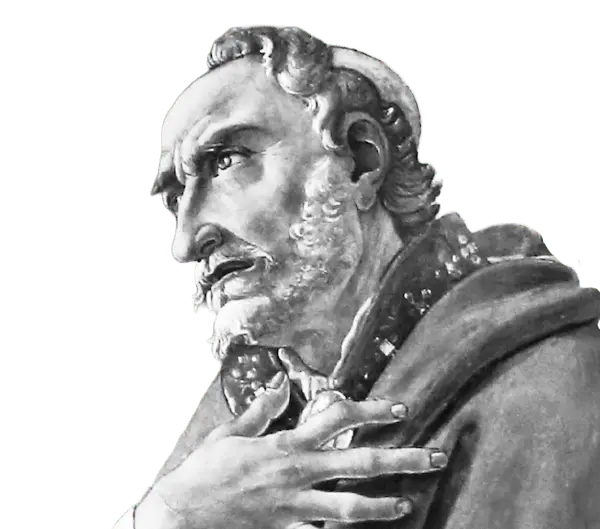
Augustine of Hippo Sermon
True Freedom Through Christ's Word
Continuing in Christ's Word
1. You know well, beloved, that we all have one Master and are fellow disciples under Him. We are not your masters, even though we speak to you from this elevated place. Our one Master dwells in all of us. He just now spoke to us all through the Gospel, and He says to all of us what I'm saying to you—both to us who speak and to you who listen. "If you continue in My word," He says—not my word who am now speaking to you, but His word which spoke just now from the Gospel— "If you continue in My word, you are My disciples indeed" (John 8:31).
To be a disciple, it's not enough just to come—you must continue. He doesn't say, "If you hear My word," or "If you come to My word," or "If you praise My word." Notice what He said: "If you continue in My word, you are My disciples indeed, and you shall know the truth, and the truth shall make you free" (John 8:31-32).
What shall we say, brothers? Is continuing in God's word difficult, or is it not? If it's difficult, consider the great reward. If it's not difficult, you receive the reward freely. So let us continue in Him who continues in us. We fall if we don't continue in Him, but if He doesn't continue in us, He hasn't lost His dwelling place. He is able to continue in Himself, as He never leaves Himself. But for us—God forbid that we should try to continue in ourselves, for we have already lost ourselves. We continue in Him because we need Him; He continues in us through His mercy.
2. Now that we understand what we should do, let's consider what we will receive. The Lord has assigned a task and promised a reward. What is the task? "If you continue in Me" (John 15:7). A short description, but a great undertaking! It's like saying, "If you build on the rock" (Matthew 7:24). How significant that is, brothers, to build on the rock! "The rain descended, the floods came, the winds blew and beat on that house, and it did not fall, for it was founded on the rock" (Matthew 7:25).
What does it mean to continue in God's word if not to resist all temptations? And what is the reward? "You shall know the truth, and the truth shall make you free" (John 8:32). Please bear with me, for my voice is weak. Help me by listening attentively.
What a glorious reward! "You shall know the truth." Perhaps someone might ask, "What does it profit me to know the truth?" "And the truth shall make you free." If the truth doesn't appeal to you, let freedom appeal to you.
In Latin, the expression "to be free" is used in two senses. Most commonly, we understand it to mean escaping some danger or being relieved of some difficulty. But the proper meaning of "to be free" is "to be made free"—just as "to be saved" means "to be made safe," and "to be healed" means "to be made whole." Similarly, "to be freed" means "to be made free." That's why I said, "If the truth doesn't appeal to you, let freedom appeal to you."
This meaning is clearer in the Greek language, where it can only be understood in this sense. When the Lord spoke, the Jews answered, "We were never in bondage to anyone. How can you say, 'You will be made free'?" (John 8:33). That is, when Jesus said, "The truth shall make you free," they replied, "How can You promise freedom to us who were never enslaved to anyone? How can You promise to make free those who have never endured the harsh yoke of slavery?"
3. They heard what they should hear, but they didn't do what they should do. What did they hear? Because I said, "The truth shall make you free," you thought about your social status and declared, "We were never in bondage to anyone." Listen to this: "Everyone who commits sin is a slave of sin" (John 8:34). Everyone—whether Jew or Greek, rich or poor, emperor or beggar— "everyone who commits sin is a slave of sin."
If people would only recognize their bondage, they would see how they might obtain freedom. A free-born person might be captured by barbarians and made a slave. Another person hears about this, takes pity, and ransoms the captive with money. The ransomer has indeed restored physical freedom, if he has eliminated injustice. But what person has ever taken away another person's sinfulness?
The person who was enslaved by barbarians has been redeemed by a ransomer, and there's a great difference between them. Yet they may both be fellow slaves under the control of sin. I ask the person who was ransomed, "Do you have sin?" "Yes," they reply. I ask the ransomer, "Do you have sin?" "Yes," they also say. So neither of you should boast—neither the ransomed about being set free, nor the ransomer about setting someone free. Instead, both of you should flee to the true Deliverer.
It's just a small part of the issue to call those under sin "slaves." They are even called "dead." The captivity that people fear physical slavery might bring, sin has already accomplished. People might appear to be alive, but was Jesus mistaken when He said, "Let the dead bury their dead" (Matthew 8:22)? All who are under sin's power are dead—dead slaves, dead in their slavery, slaves in their death.
4. Who, then, can free us from death and bondage except the One who is "free among the dead" (Psalm 88:5)? Who is "free among the dead" except the One who is without sin among sinners? "The ruler of this world is coming," says our Redeemer, our Deliverer, "and he has nothing in Me" (John 14:30).
The devil holds captive those whom he has deceived, seduced, and persuaded to sin and death. "In Me he will find nothing." Come, Lord Redeemer, come! Let the captive recognize You; let the captor flee from You. Be my Deliverer. Though I was lost, the devil finds in the Lord nothing that comes from sinful flesh.
The ruler of this world finds mortal flesh in Christ—flesh he can seize, crucify, and kill. You are mistaken, deceiver; the Redeemer cannot be deceived. You are mistaken. You see mortal flesh in the Lord, but it's not sinful flesh—it's the likeness of sinful flesh. "For God sent His own Son in the likeness of sinful flesh" (Romans 8:3). It was true flesh, mortal flesh, but not sinful flesh.
"For God sent His Son in the likeness of sinful flesh, that by sin He might condemn sin in the flesh" (Romans 8:3). He sent His Son in the likeness of sinful flesh—in flesh, but not in sinful flesh, only in the likeness of sinful flesh. For what purpose? "That by sin," of which there was certainly none in Him, "He might condemn sin in the flesh, that the righteousness of the law might be fulfilled in us who do not walk according to the flesh but according to the Spirit" (Romans 8:3-4).
5. If Christ had "the likeness of sinful flesh" rather than sinful flesh itself, how could "He condemn sin in the flesh by sin" ? A likeness often takes the name of the thing it resembles. The word "man" refers to a real human being, but if you see a painting of a person on a wall and ask what it is, the answer will be, "It's a man." So flesh having the likeness of sinful flesh, intended as a sacrifice for sin, is itself called "sin."
The same Apostle says elsewhere, "He made Him who knew no sin to be sin for us" (2 Corinthians 5:21). "Him who knew no sin" —who is He but the One who said, "The ruler of this world is coming, and he has nothing in Me" ? "He made Him who knew no sin to be sin for us" —this refers to Christ Himself, who knew no sin. God made Him sin for us.
What does this mean, brothers? If someone said, "He placed sin upon Him," or "He made Him to have sin," it would seem hard to accept. How do we understand the statement, "He made Him sin," suggesting that Christ Himself became sin? Those familiar with the Old Testament Scriptures recognize what I'm saying. This expression isn't used just once, but repeatedly and consistently: sacrifices for sins were called "sins."
A goat, for instance, was offered for sin, or a ram, or any animal—the victim itself offered for sin was called a "sin." A sacrifice for sin was called "sin," so the Law says in one place that the priests are to lay their hands upon the "sin." "Him who knew no sin, He made sin for us" (2 Corinthians 5:21)—that is, "He was made a sacrifice for sin." Sin was offered, and sin was canceled. The Redeemer's blood was shed, and the debtor's bond was canceled. This is the "blood that was shed for many for the remission of sins" (Matthew 26:28).
6. Why, then, did you foolishly rejoice, you who held me captive, because my Deliverer had mortal flesh? Find sin in Him if you can. If you have found anything of yours in Him, hold Him fast.
"The Word became flesh" (John 1:14). The Word is the Creator; the flesh is His creation. What is yours in this, enemy? The Word is God, and His human soul is His creation, and His human flesh is His creation, and the mortal flesh of God is His creation. Look for sin here! But what are you looking for?
The Truth says, "The ruler of this world is coming, and he has nothing in Me" (John 14:30). It's not that he didn't find flesh in Christ, but he found nothing of his own—that is, no sin. You deceived the innocent and made them guilty. You killed the Innocent One; you destroyed Him to whom you owed nothing. Repay what you have unjustly held.
Why did you exult for a brief time because you found mortal flesh in Christ? It was your trap: what you rejoiced to find has become the means of your capture. What you exulted in finding, you now grieve in losing.
Therefore, brothers, let us who believe in Christ continue in His word. If we continue in His word, we are truly His disciples. Not just the original twelve, but all of us who continue in His word are truly His disciples. "And we shall know the truth, and the truth shall make us free" (John 8:32)—that is, Christ the Son of God, who has said, "I am the truth" (John 14:6), will make you free. He will free you not from barbarians but from the devil, not from bodily captivity but from the wickedness of the soul.
Only He can free in this way. Let no one call themselves free, lest they remain a slave. Our soul will not remain in bondage, for day by day our debts are forgiven.